Korte broek
The speaker addresses the issue of innovation in religious practice (bid’ah) versus adherence to the Sunnah. He critiques the performance of rituals without understanding or intention, specifically highlighting the decline in the proper observance of funeral prayers and supplications. He argues that many practices have deviated from the Prophet’s teachings and the example of the Companions, leading to a superficiality in worship and a loss of spiritual benefit. The speaker emphasizes that actions performed without divine command are unacceptable and warns against the dangers of adding to religious practices beyond what was prescribed.

44
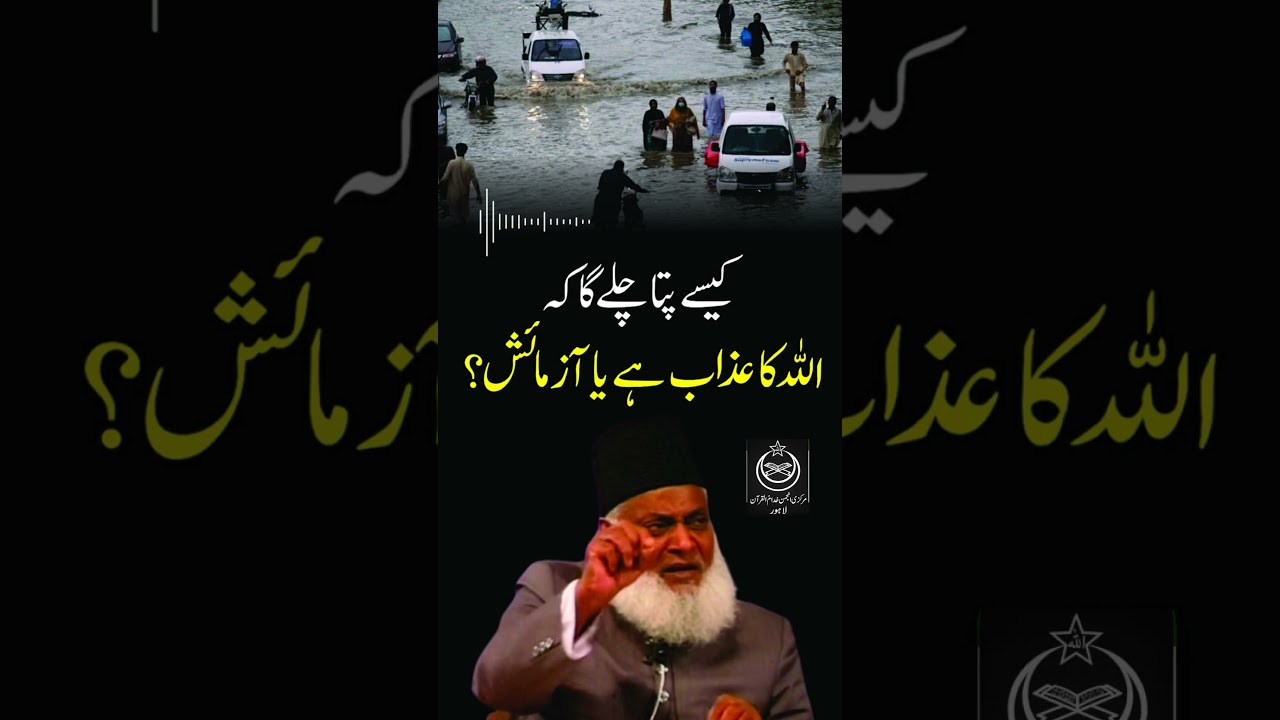
This lecture clarifies the distinction between trials (imtihan) and consequences (sada). It explains that both may appear similar externally, but the heart discerns their origin. Trials befall those striving on the righteous path, serving as tests from God. Consequences, however, stem from one’s actions. The heart will reveal whether a difficulty is a trial designed to elevate one’s status or a consequence requiring atonement. Recognizing this difference is crucial for spiritual growth and understanding divine justice.
55
The Quran’s true greatness lies in its being the expression of the Divine Speaker, revealing the entirety of God's attributes. Just as one can discern a person's intellect, understanding, and character from their speech, the Quran manifests all of God’s qualities. The text’s eloquence embodies complete divine attributes, making it a reflection of the Divine Being.
64
This lecture explains that Allah is all-powerful and supreme over everything. Human capability, however, is limited and borrowed. The power granted to humans is not inherent but a gift from Allah, making it temporary and finite. This distinction is central to understanding the concept of *shirk* (associating partners with Allah). Allah’s existence is eternal and limitless, while created beings, including human abilities, are contingent, temporary, and limited. True power resides solely with Allah.
56
The lecture discusses the Prophet Muhammad's guidance regarding the timing of Suhoor (pre-dawn meal) and Iftar (breaking of the fast). He discouraged excessive caution and rigidity in observing the timings, emphasizing ease and flexibility. The Prophet allowed individuals to finish their meals even after the call to prayer for Fajr, promoting a balanced approach to religious observance. The principle of prioritizing ease over difficulty, as stated in the verse concerning permissible limits for fasting until the white thread distinguishes itself from the black, is highlighted. This approach promotes a spiritual practice that is accessible and sustainable.
43
The soul is distinct from the body. While death seizes the body, returning it to the earth from whence it came, the soul does not experience death itself. It is a transfer, originating from God and returning to Him. The soul temporarily inhabits the body during earthly life, then either resides in 'Aliyeen' or 'Sijjeen' – realms of varying states – awaiting eventual return to its divine source. The body is subject to earthly cycles of creation and dissolution, but the soul is eternal and its destiny lies with God.
44
