Шорты
This lecture explores the absolute sovereignty of Allah, contrasting it with earthly kingship where power is often susceptible to corruption. It highlights that Allah’s authority is unchecked by any external force, but is governed by His perfect wisdom. The discussion draws parallels with the story of Pharaoh in Surah Momin, illustrating how even a self-proclaimed god faced limitations due to internal dissent and the inherent flaws of absolute power. The lecture emphasizes that Allah’s absolute authority is balanced not by external checks, but by His complete and perfect wisdom, ensuring just and equitable decisions.

71
The current system and its laws perpetuate injustice, widening the gap between the rich and the poor. Wealth accumulates with the privileged while the vulnerable remain oppressed. This system actively supports and protects ill-gotten gains, offering no benefit to those who are truly needy. The laws themselves are designed to uphold a flawed system, ensuring its continuation. Fundamental change requires reform of both the system and the laws governing it.
40
This lecture emphasizes the importance of engaging in reasoned discourse (majadala) rather than mere argument. It stresses responding to opposing viewpoints with wisdom and politeness, aiming to silence them through compelling logic, not aggression. Maintaining a high moral standard during debate is crucial; avoid insults, vulgar language, and descending to their level. Respect for opponents’ beliefs is paramount, even while presenting a counter-argument. The speaker highlights the necessity of engaging with wisdom and good conduct to effectively convey one’s message and positively influence others.
65
This lecture details the fundamental tenets of faith in Islam. It covers belief in Allah, the prophets, the final prophet Muhammad (peace be upon him), revealed scriptures including the Quran, the Day of Judgment, accountability, life after death, Paradise, and Hell. The discussion highlights the extensive treatment of these topics within the Quran, particularly in its earlier Meccan verses.
74
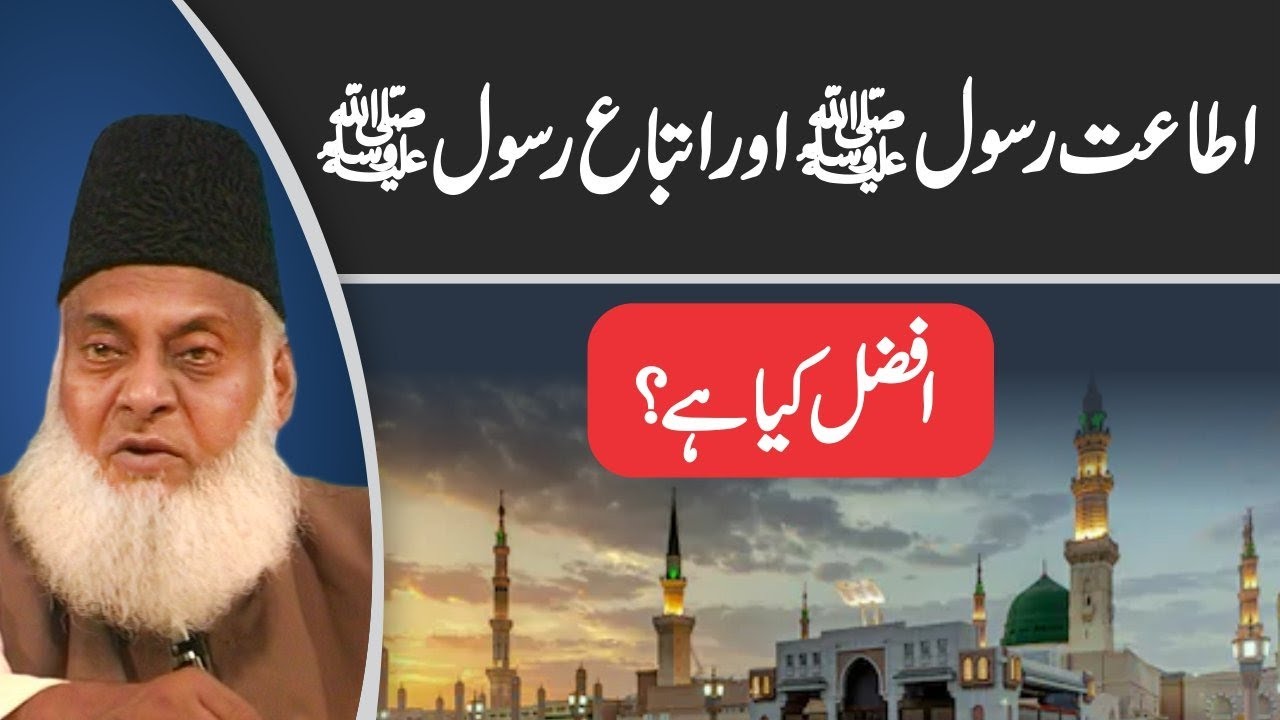
This lecture emphasizes the inseparable link between loving Allah, loving the Prophet Muhammad (peace be upon him), and following his example. True faith requires both emotional devotion and practical obedience. The speaker details the high standard of love and obedience expected of believers, referencing the Prophet’s relationship with companions like Umar Farooq. He distinguishes between mere obedience to commands and complete emulation of the Prophet’s character and actions. The lecture highlights that following the Prophet is the path to earning Allah’s love and forgiveness, even in moments of weakness. It stresses the importance of prioritizing the Prophet's example above all else.
247

Taghut refers to anything that transgresses the boundaries of worship and obedience to God. It originates from ‘tagha’, meaning to exceed limits. When something, be it an individual, institution, or state, oversteps the bounds of devotion intended solely for God, it becomes Taghut. This lecture defines Taghut as any entity that demands allegiance and submission outside of God’s commands. It emphasizes that the essence of worship is submission within defined limits, and exceeding these limits constitutes an act of Taghut. The concept extends beyond individuals to encompass systems and ideologies that usurp divine authority and demand absolute obedience, leading to a deviation from true worship.
58
