Pantalones cortos

This lecture addresses the importance of individual engagement with religious teachings and self-reflection. It critiques the professionalization of religious roles, arguing that every Muslim should be capable of leading prayers, performing marriage ceremonies, and conducting funeral rites. The speaker emphasizes that religious knowledge and practice should not be limited to a select few, but accessible to all Muslims. The core message urges listeners to examine their own faith and commitment to religious principles instead of criticizing religious scholars.

223

The lecture discusses the concept of *bidat* (innovation) in religious practice, specifically distinguishing between permissible and impermissible innovations. It focuses on the example of Hazrat Umar Farooq (RA) initiating the practice of reciting *tarawih* prayers in rows behind the Imam, which he termed a *bidat hasana* (good innovation). However, the lecture emphasizes that the right to declare an innovation as *hasana* is exclusive, and Muslims should adhere to the example of the Prophet Muhammad (peace be upon him) and the rightly guided caliphs. The core argument is that innovation should not be introduced independently, but only when justified by established principles and guided by prophetic tradition. Following the Prophet’s and the rightly guided caliphs’ practices is paramount.
61

This lecture discusses the esteemed position of Hazrat Ali (RA) within Islamic history and theology. It establishes him as one of the rightly guided Caliphs and highlights his exceptional virtues among the companions of the Prophet Muhammad (peace be upon him). The discussion clarifies his rank relative to Abu Bakr, Umar, and Uthman (RA), acknowledging their superior position, while affirming Hazrat Ali’s prominence among all other companions. The lecture focuses on the sequential order of Caliphs according to the Sunni perspective and establishes Hazrat Ali's elevated status within that framework.
86
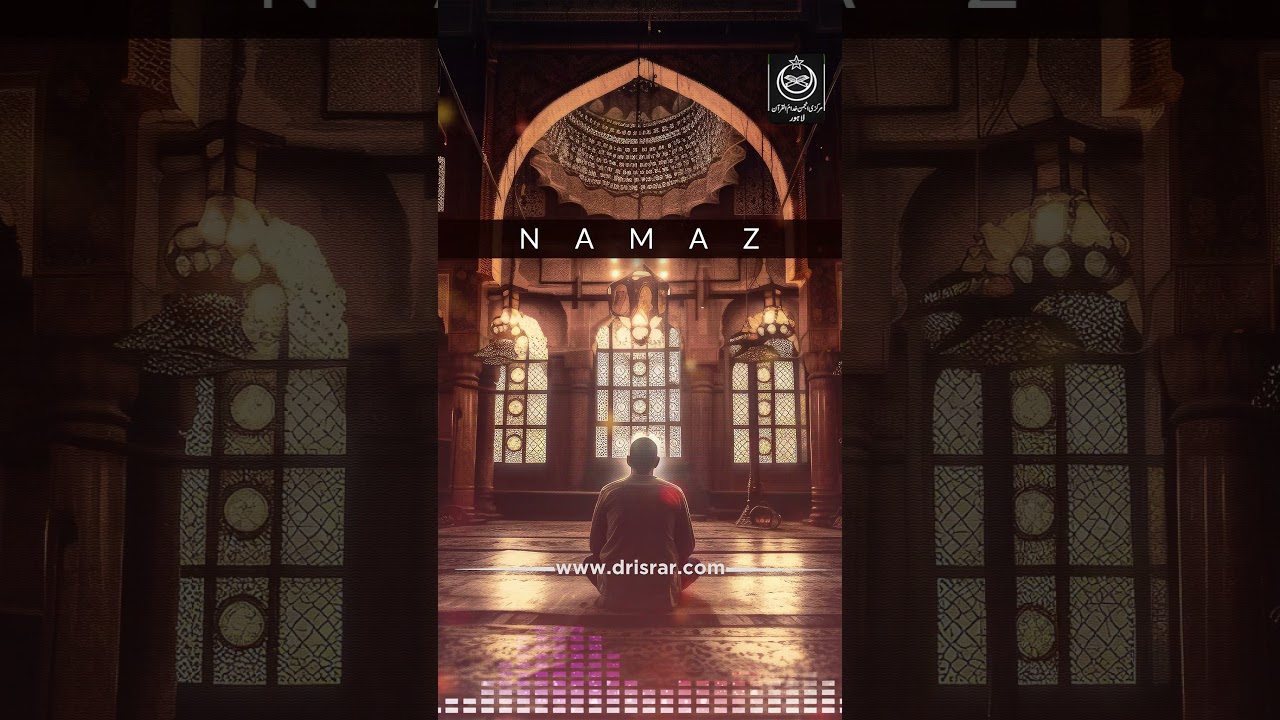
True goodness isn't merely external ritual; it’s an internal transformation affecting the entire being. The essence of worship, like prayer, lies not in its technicalities, but in achieving a spiritual presence with God. Genuine prayer evokes a heartfelt connection, a sense of joy, and a direct communion with the Divine. The experience should be one of complete surrender and humility before God. Without this spiritual depth, the act remains incomplete.
42

This lecture explains that seeking refuge in Allah is a natural human response to fear, mirroring a child's instinct to run to their mother for safety. The speaker draws a parallel between finding solace in a mother's embrace and finding guidance through connection with Allah. True guidance lies in clinging to Allah, as stated in the Quran, leading one to the straight path. The lecture emphasizes that Allah is the ultimate protector, supporter, and helper, offering strength and security. Connecting with Allah provides unwavering support and direction in life.
72
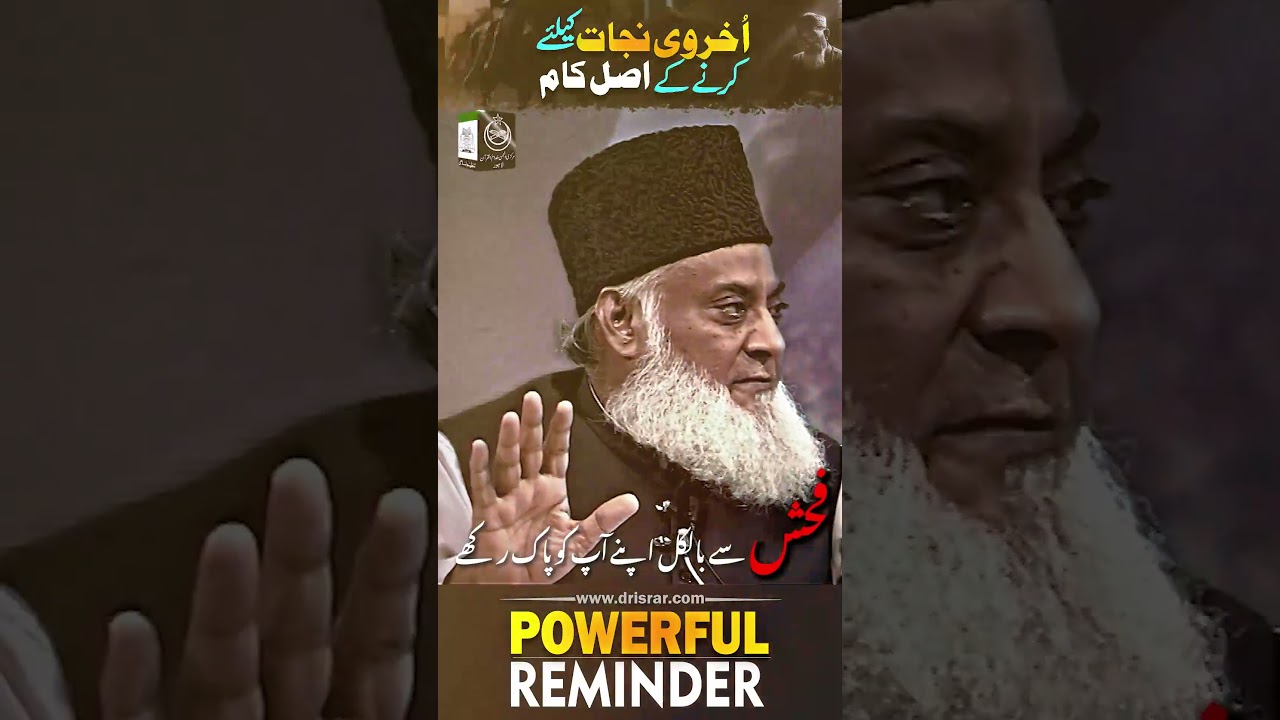
This lecture emphasizes prioritizing the afterlife while fulfilling worldly needs. It stresses reliance solely on Allah, avoidance of major sins, controlling anger, establishing a heart connection with Allah through prayer, seeking counsel, and dedicating wealth to the cause of Allah. The speaker advocates a balanced life focused on spiritual preparation and righteous action.
62
