短裤
Umar bin Abd Wud, a renowned Arab warrior and skilled horseman, challenged the Muslims during a siege. He fearlessly crossed the trench surrounding Medina, seeking a worthy opponent. Hazrat Ali (RA) stepped forward, offering Umar bin Abd Wud three opportunities to make a request before engaging in combat. Umar initially demanded the acceptance of Islam, then asked for safe passage, both of which Ali refused. Finally, Umar challenged Ali to a duel. Ali accepted, ultimately defeating and killing Umar bin Abd Wud, demonstrating courage and faith.

40
The number of verses in the Quran is a subject of some debate, estimated to be around 6,200, with variations stemming from whether or not to include the opening 'Bismillah' verse before each chapter (Surah), except for Surah At-Taubah. Including it would add 113 verses to the total. The number of Surahs, however, is definitively 114. Translating the concept of 'Surah' into English presents a challenge, and retaining the original term will likely foster wider understanding and acceptance. The lecture explains these nuances of Quranic structure.
61

When the Prophet Muhammad arrived in Medina, he observed that the Jewish community fasted on the tenth of Muharram (Ashura), commemorating the day the Israelites were saved from Pharaoh and his army. They explained this was a day of thanksgiving. The Prophet stated that Muslims, as followers of Moses, had a greater right to commemorate this event. He instructed Muslims to fast on both the ninth and tenth of Muharram to distinguish themselves from the Jews, who only fasted on the tenth. This practice marks the beginning of observing days of worship based on the traditions of earlier communities present in Medina.
42
This lecture details the Prophet Muhammad’s (peace be upon him) exceptional character, particularly his modesty and self-reliance. The narrative recounts how the Prophet never asked anyone for personal favors, even during the challenging time of migration to Medina. It highlights his foresight in preparing for the journey with the help of Hazrat Abu Bakr, ensuring swift transportation. The account further illustrates the Prophet’s humility, demonstrated by his willingness to perform even the simplest tasks himself, refusing to ask others for assistance. The lecture concludes with a powerful affirmation of support from his companions, declaring themselves ‘Ansarullah’ – helpers of God.
63
This lecture details the inevitable arrival of the final hour, a cataclysmic event preceding the Day of Resurrection. It describes a complete transformation of the world, where mountains will crumble and all structures will be reduced to dust. This event, distinct from the Resurrection itself, is a prelude to a time of reckoning where all individuals will be resurrected from their graves, or wherever their remains lie, to face judgment. The speaker emphasizes this hour as a complete annihilation followed by a subsequent resurrection and accountability.
49
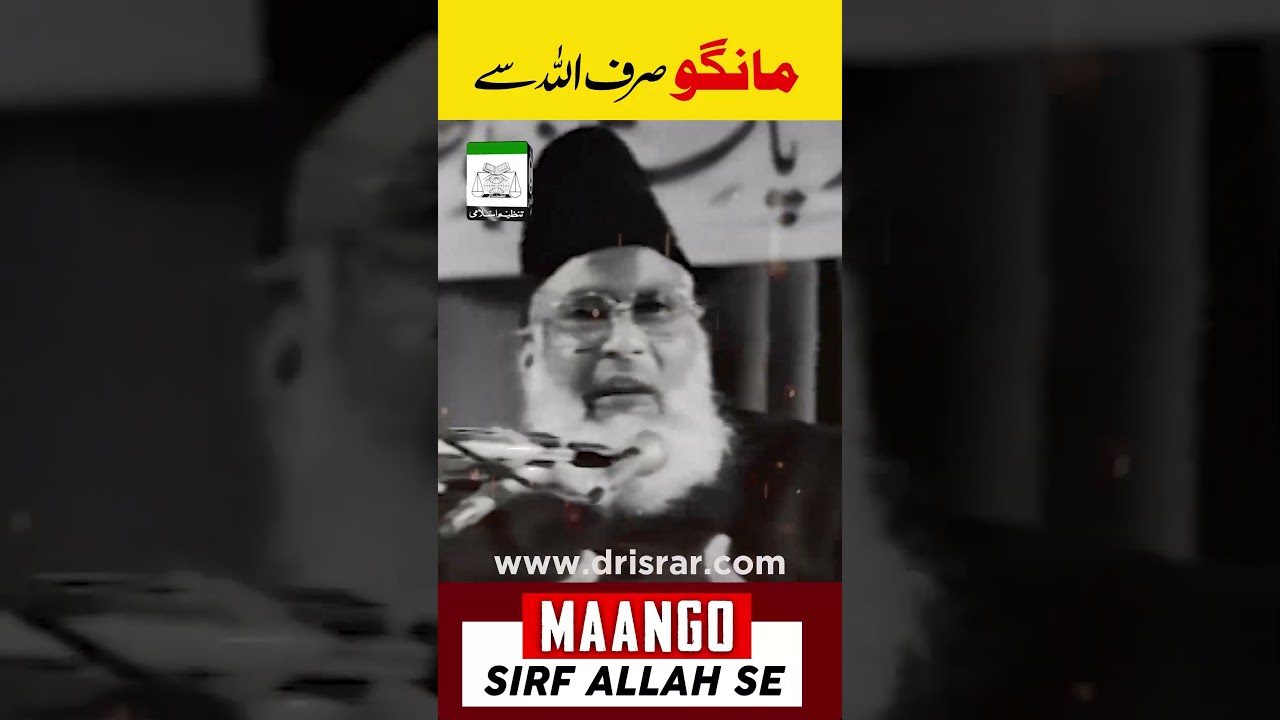
This lecture emphasizes solely relying on Allah for assistance and rejecting the practice of seeking help from spiritual entities or intermediaries. It asserts that Allah possesses the power to alleviate suffering directly, without requiring the intervention of spirits or angels. The speaker stresses that true solace and resolution come from turning to Allah alone with sincere prayer and supplication, and that Allah can grant relief through any means He chooses, independent of any external agent. The core message is a firm rejection of practices involving seeking help from anything other than the Divine.
55
