מִכְנָסַיִים קְצָרִים

During the Hijra, when the Prophet Muhammad (peace be upon him) and Abu Bakr (may Allah be pleased with him) were in the cave of Thawr, they feared discovery. Abu Bakr expressed concern that even a glance inside would reveal them. The Prophet reassured him, reminding him of God’s support. Consequently, Allah sent down tranquility upon them and reinforced them with unseen forces. This event resulted in the subjugation of the disbelievers and the ultimate triumph of Islam throughout the Arabian Peninsula. God’s word is supreme, and He is the Most Powerful, the Most Wise.

66

This lecture emphasizes the importance of meticulously documenting all religious transactions, regardless of their size. It stresses the necessity of immediate recording to ensure transparency, accountability, and legal validity. The speaker highlights that delaying documentation can lead to disputes and invalidates the transaction. This practice aligns with Sharia law and promotes fairness and justice. It also reinforces the reliability of testimony and safeguards future dealings. This recording is essential for both small and large matters, aligning with principles of speed, justice, and sound testimony.
50

The speaker discusses the decline of spiritual understanding within Islamic practice. While rituals like prayer, fasting, sacrifice, and pilgrimage remain prevalent, the underlying philosophical depth and transformative effect have diminished. The speaker argues that the sheer number of people performing these rituals – millions undertaking the Hajj – does not translate into societal impact or personal change. The focus has shifted from inner transformation to mere external observance, resulting in a disconnect between practice and genuine spiritual growth.
75

The Quran outlines four essential conditions for salvation: faith, righteous deeds, adherence to truth, and patience. These components form a complete prescription for spiritual well-being. Removing even one element invalidates the prescription, potentially leading to negative consequences instead of healing. Just as a patient cannot alter a doctor’s prescribed medication and expect positive results, one must fully embrace these four conditions to achieve salvation. These four elements constitute a complete prescription from God for spiritual healing and success.
59
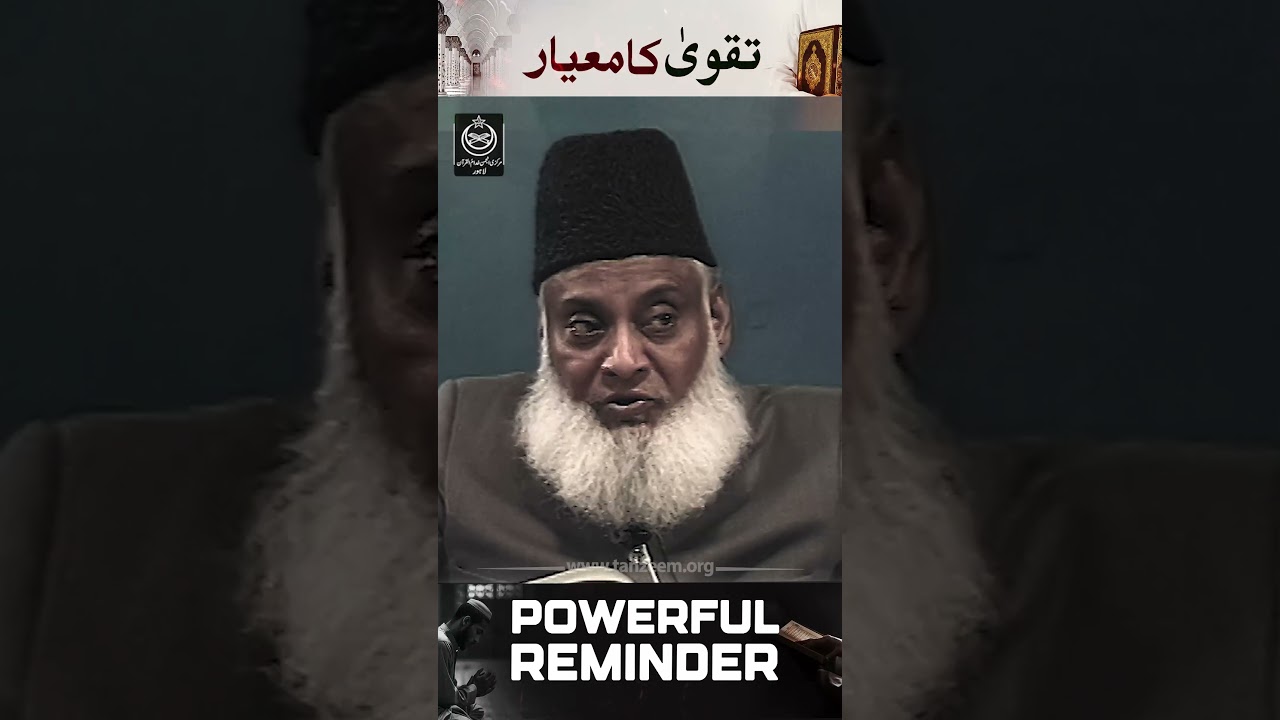
This lecture clarifies that true piety (taqwa) extends beyond mere ritualistic observance – prayers, fasting, avoiding forbidden foods. It emphasizes abstaining from unjustly acquiring wealth, avoiding deceptive practices, and not using wealth to influence authorities for personal gain. Genuine piety involves a commitment to ethical financial conduct and a sincere avoidance of all forms of injustice. It highlights that simply performing religious duties without inner sincerity and righteous conduct does not constitute true taqwa.
104

This lecture explores the unique responsibility of the final messenger and the final nation (Ummah). It emphasizes that while other nations historically lived for their own interests and glory, this nation’s purpose is to live for the world, striving for guidance and leaving a lasting legacy. The speaker highlights a concern that the Muslim community has forgotten its mission and questions whether it will fulfill its role of disseminating truth and knowledge. It is a call to action, urging self-reflection and a renewed commitment to the core principles of Islam.
57
