Shorts
This lecture explores the absolute sovereignty of Allah, contrasting it with earthly kingship where power is often susceptible to corruption. It highlights that Allah’s authority is unchecked by any external force, but is governed by His perfect wisdom. The discussion draws parallels with the story of Pharaoh in Surah Momin, illustrating how even a self-proclaimed god faced limitations due to internal dissent and the inherent flaws of absolute power. The lecture emphasizes that Allah’s absolute authority is balanced not by external checks, but by His complete and perfect wisdom, ensuring just and equitable decisions.

57
This lecture explores the life of Hazrat Fatima, the daughter of Prophet Muhammad (peace be upon him), highlighting her sacrifices, devotion, and the hardships she endured. It delves into her relationship with her father, her role as a mother, and the challenges faced by the early Muslims. The speaker emphasizes Fatima’s piety, patience, and her exemplary character as a role model for all believers. The discussion also touches upon the material possessions and worldly comforts, contrasting them with spiritual values and the importance of remembrance of Allah after every prayer.
80
This lecture explains a crucial Islamic principle: the balance between reliance on God (Tawakkul) and utilizing practical means (Asbab) to achieve goals. The Prophet Muhammad (peace be upon him) rebuked a Bedouin for leaving his camel untethered, emphasizing that true faith requires both trust in God *and* responsible action. The speaker clarifies that simply relying on God without making an effort is incorrect, and neglecting to utilize available resources after making an effort is also a mistake. Results ultimately come from God, but effort is a prerequisite. It is crucial to strive, use resources, and *then* place trust in God for the outcome. True Tawakkul is not passivity, but a confident reliance on God *after* taking all necessary steps.
87

This lecture emphasizes that all expenditure on children should be considered a fulfillment of one’s responsibility to them, not an investment expecting a return. True reward and reliance should be placed solely with Allah. Effort dedicated to the service of Islam is the only work for which one can expect a genuine and reliable recompense. The lecture clarifies that seeking reward from anyone other than Allah is misguided.
42
The lecture emphasizes the importance of reciting the Quran with a beautiful voice. It states that those who do not attempt to recite the Quran melodiously are not considered among the believers, referencing a hadith encouraging beautification of Quranic recitation with one's voice. Utilizing a gifted voice during recitation enhances the Quran’s inherent beauty and provides a unique experience to the listener.
53
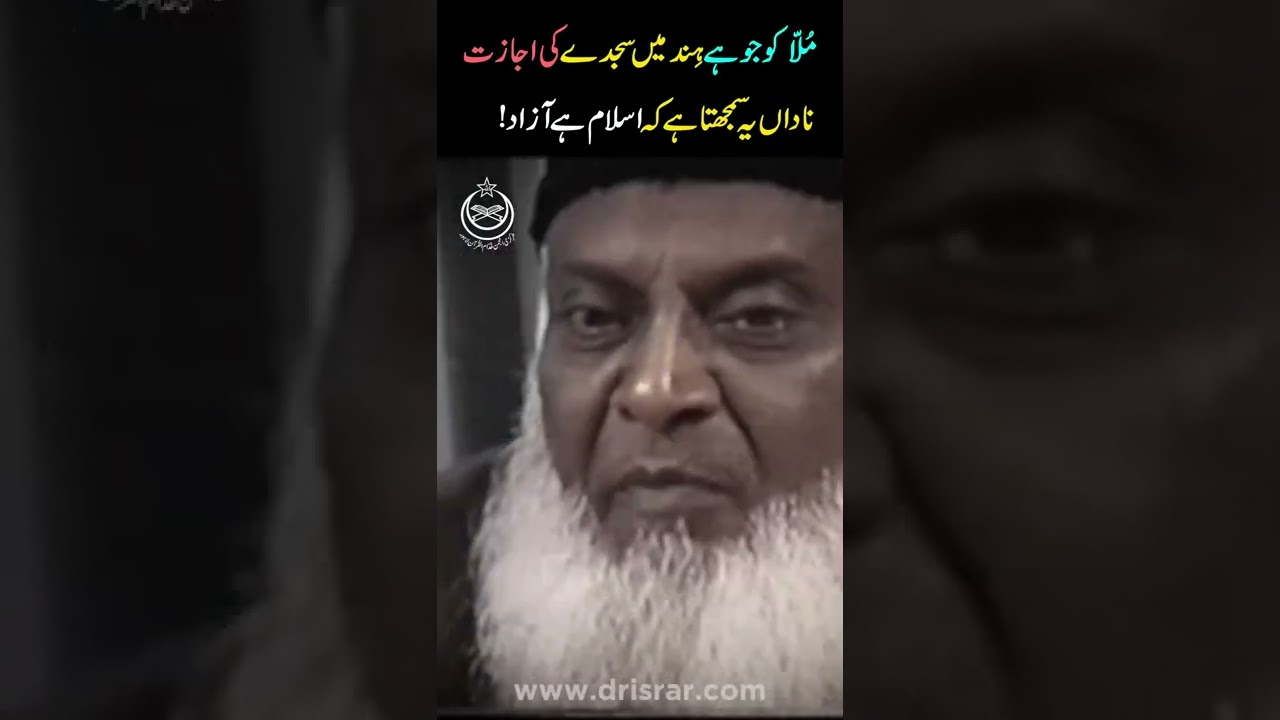
The speaker discusses the decline of spiritual understanding within Islamic practice. While rituals like prayer, fasting, sacrifice, and pilgrimage remain prevalent, the underlying philosophical depth and transformative effect have diminished. The speaker argues that the sheer number of people performing these rituals – millions undertaking the Hajj – does not translate into societal impact or personal change. The focus has shifted from inner transformation to mere external observance, resulting in a disconnect between practice and genuine spiritual growth.
70
