Shorts

The human soul inherently possesses two crucial elements: divine knowledge ('ma'rifat-e-Rabbani') and divine love ('mohabbat-e-Rabbani'). These are present as a radiant light and inner warmth, often obscured by layers of heedlessness, desire, ego, and pride. These obscuring layers deepen with increased indulgence in worldly desires or the development of arrogance, concealing the soul's innate connection to the divine. Removing these layers reveals the glowing ember of spiritual awareness and affection already within.

56

This lecture addresses the question of resurrection after complete physical disintegration. It refutes the notion that being reduced to dust or metal precludes the possibility of being recreated. The speaker clarifies that even if one were to become stone, fossilized, or transformed into an exceptionally hard substance, Allah is capable of recreating them. The argument centers on the absolute power of God and the inherent possibility of renewal, regardless of the state of decomposition. It is a response to those who express disbelief based on the perceived impossibility of being revived after death.
55
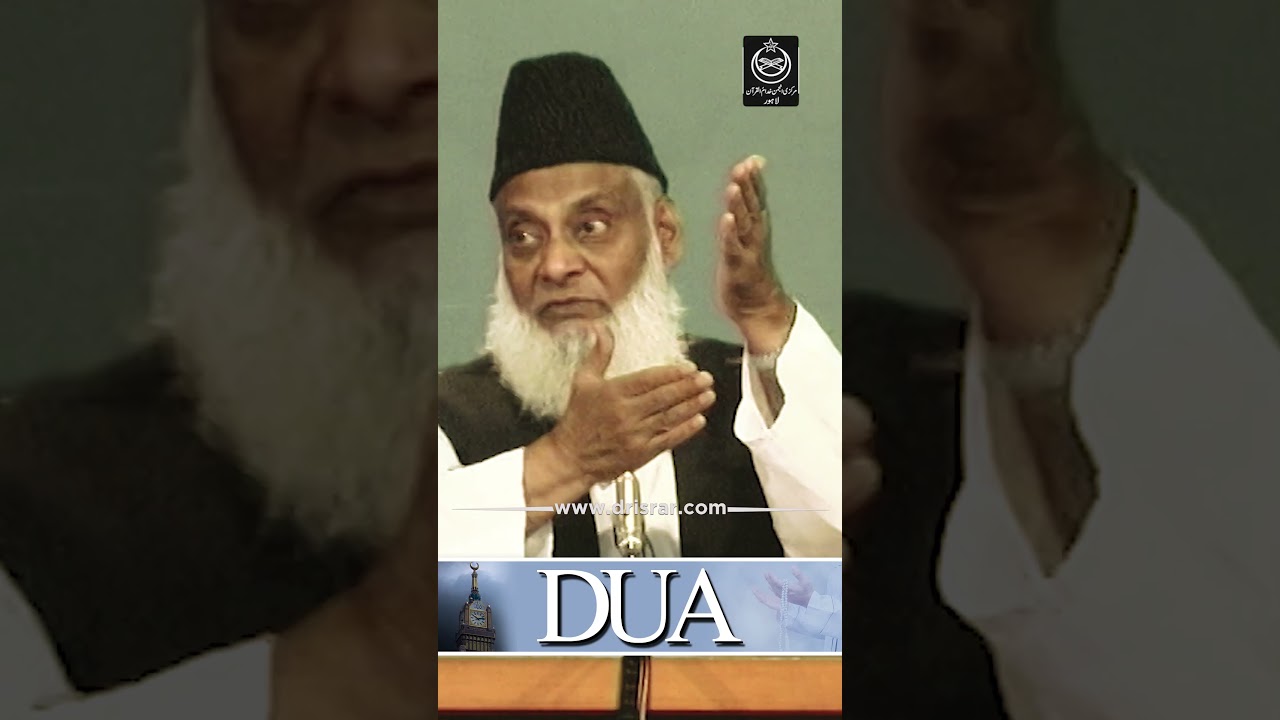
This lecture explores the core concept of prayer (dua) in Islam as a profound encounter between the ego (ana-e-sagheer) and the divine self (ana-e-kabeer). It posits that true prayer involves the annihilation of the smaller self before the grandeur of God. Dr. Israr Ahmad explains that this process of self-effacement allows for a deeper connection with the divine, moving beyond superficial requests to a realization of spiritual unity. The lecture details the journey from a limited, self-centered existence to a state of complete surrender and immersion in the divine presence. It’s a discussion of spiritual refinement and the essence of worship.
85
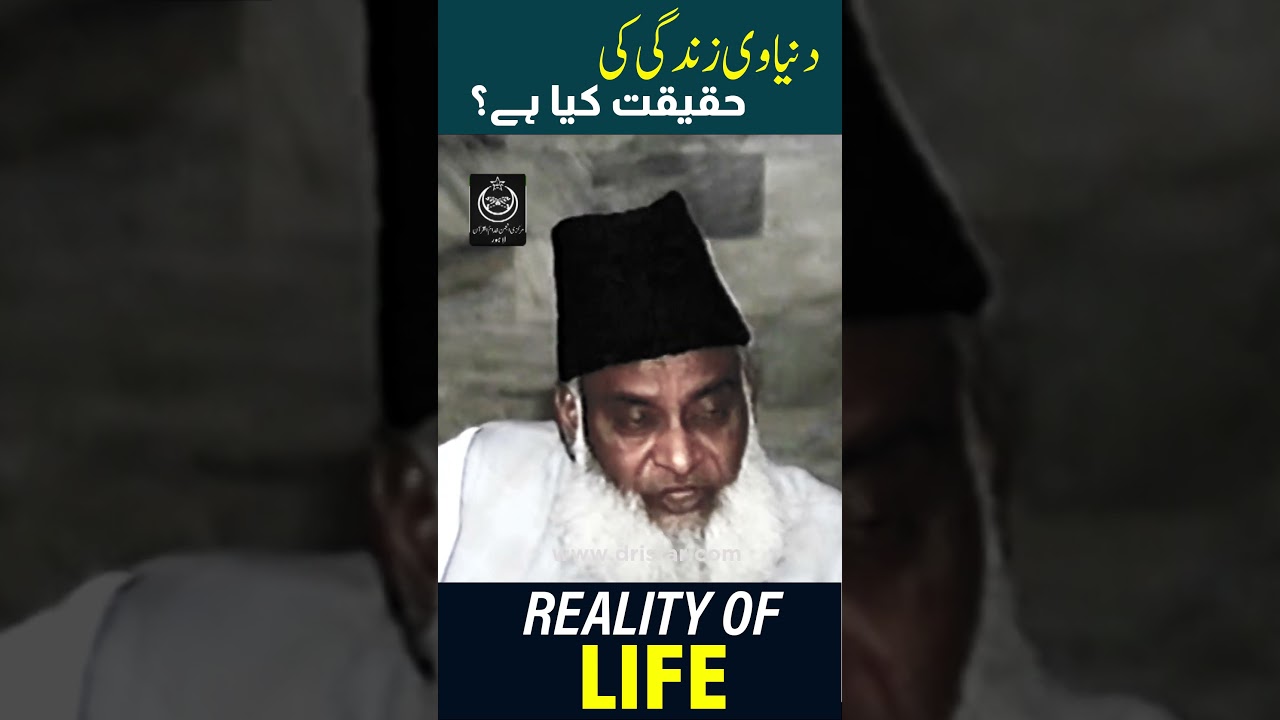
This lecture explores the fleeting nature of worldly life and the imminence of the afterlife. It emphasizes that the time spent in this world, including childhood and the entire period of existence before the Day of Judgment, will seem as short as a single day. The speaker highlights the inevitable accountability before God and encourages reflection on the true purpose of life, urging listeners to prepare for the ultimate reckoning. The lecture stresses the brevity of existence and the importance of recognizing the approaching moment of divine call, emphasizing that the entire span of life—from birth to death and beyond—will ultimately feel condensed into a brief period.
58
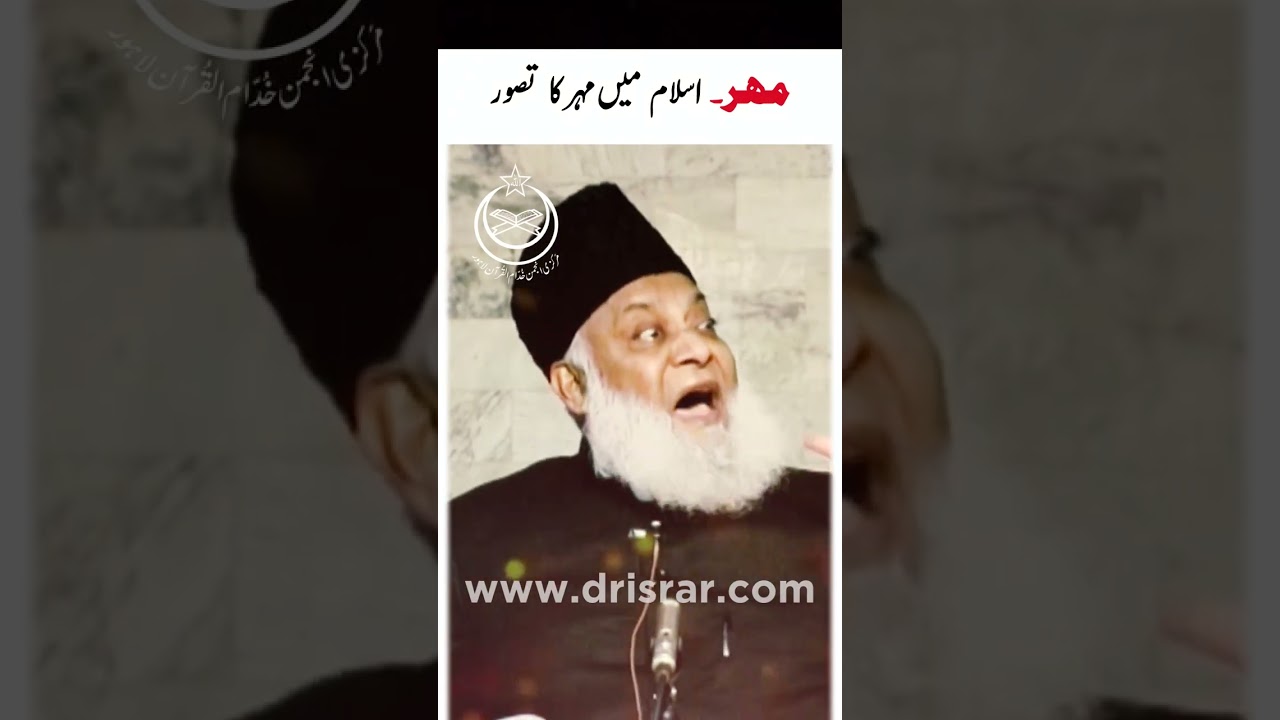
Islamic principles dictate that the financial responsibility for a wedding lies with the groom’s family, not the bride’s. Marriage is a necessity for both men and women, completing each other’s lives. The mahr, or dower, is paid by the groom to the bride, symbolizing his commitment and responsibility. It is not a price for the bride, nor a purchase, but a token of commitment and a recognition of her value. Mahr can be determined in various forms, including goods, services, or the commitment to teach the bride Quran. It represents the man's capability to fulfill his obligations and the woman’s acceptance of this commitment.
87
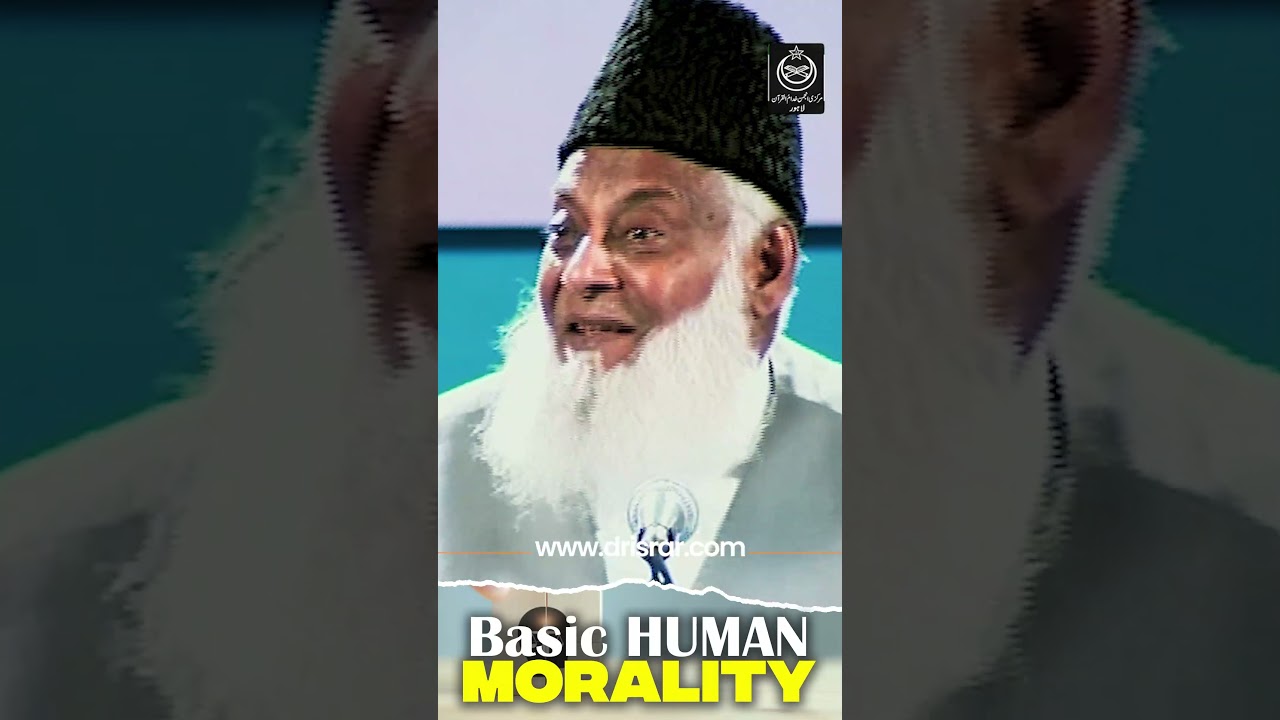
Universal moral principles are consistent across all religions, philosophies, and cultures. These include the inherent goodness of truthfulness, promise-keeping, fulfilling needs, honoring parents, and the inherent wrongness of lying, breaking promises, being dismissive, and neglecting parental duties. These foundational ethical guidelines are present in every society, consistently emphasized throughout history.
61
