Corti
This lecture emphasizes a reciprocal relationship with God. True acceptance of prayers hinges on actively aiding God's cause and distancing oneself from those who defy Him. Divine assistance isn’t granted to those aligned with rebellion against God. Becoming a true servant of God guarantees His support, but allegiance to others while seeking divine favor is inconsistent. This is a two-way commitment, not a one-sided expectation. Support from God is earned through unwavering devotion and righteous action.

46
The lecture discusses the unreliability of weak narrations (riwayat) and their misuse in religious discourse. It emphasizes that many narrations circulating, attributed to sources like Bukhari, Muslim, Tirmidhi, and Ibn Majah, originate from books lacking proper authentication (isnad) like those by Khatib Baghdadi and Daylami. The speaker cautions against using narrations with broken chains of transmission – weak (za'if), unusual (shaz), or unsourced (mersal) – that cannot be traced back to Prophet Muhammad. The Quran is presented as the ultimate and most reliable source of guidance, surpassing all other narratives.
51
Dr. Israr Ahmad discusses the future establishment of a global caliphate rooted in the prophetic tradition. He references prophecies indicating a time when the message of Islam will permeate every corner of the earth, reaching all of humanity. He describes a vision where no home or dwelling will remain untouched by the teachings of Islam, and that his community will govern the entirety of the earth, having witnessed its eastern and western reaches in a divine revelation.
82

This lecture explores the multifaceted greatness of the Prophet Muhammad (peace be upon him). It highlights his exceptional qualities not merely as a human being, but also as a strategic leader and diplomat. The discussion focuses on his unparalleled skill in military strategy, despite never personally participating in battle, and his mastery of negotiation and conflict resolution. The lecture details his ability to forge alliances and unite diverse groups, exemplified by the agreements he established in Medina and previously in Yathrib, demonstrating his profound leadership and wisdom.
77
This lecture elucidates the severe consequences of animosity towards a pious individual, or *Wali Allah*. It emphasizes that hostility towards a friend of God is equivalent to declaring war against God Himself. The discussion highlights that true spiritual pain arises from causing hurt to those with sensitive hearts, and that hurting a *Wali Allah* brings shame and disgrace upon an entire community. The lecture stresses that genuine love for God is reflected in compassion and care for His devoted servants, and that inflicting pain on them invites divine retribution. The core message is that harming those close to God brings about spiritual and communal ruin.
52
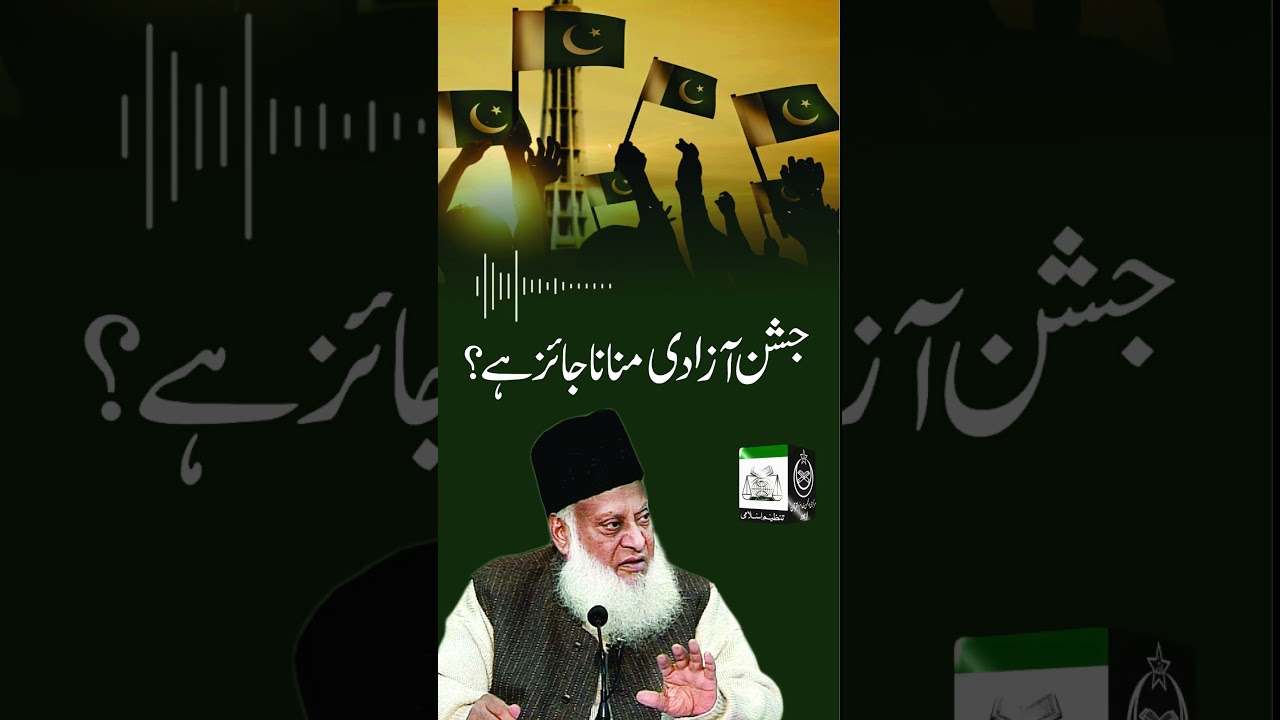
The speaker asserts that Pakistan remains systemically and politically subservient to non-Islamic forces, questioning the validity of celebrating independence in such circumstances. He contrasts true Islamic observances – Eid al-Fitr and Eid al-Adha – with celebrations he deems extraneous. He emphasizes that freedom is a significant blessing, yet one that has been largely unappreciated. The speaker urges repentance, seeking forgiveness, and dedicating one’s life to establishing Islam within Pakistan as a genuine expression of gratitude to God for the gift of independence.
67
