Шорты

Allah tests nations with hardship to make them receptive to guidance. When people are comfortable, they are less likely to listen to truth. Divine strategy involves initial difficulty, followed by respite if they still refuse to heed the message. This pattern continues until a point of no return, after which blessings are withdrawn permanently. The lecture urges listeners to reflect on this cycle and to make the most of opportunities for positive change before it’s too late. It’s a warning against complacency and a call to embrace guidance while it’s available.

63

This lecture clarifies the purpose of fasting during Ramadan, emphasizing Allah’s desire for ease, not hardship. It addresses a rigid interpretation of religious obligations, specifically concerning fasting while traveling or during illness. The speaker explains that imposing unnecessary strictness upon oneself contradicts the spirit of Islam, which aims to alleviate burdens. True piety lies in understanding the intent behind religious practices and prioritizing ease and accessibility, mirroring the Prophet’s teachings to create facilitation, not difficulty. The lecture cautions against extremism and encourages a balanced approach to faith, focusing on the core principles of Islam rather than superficial adherence to rituals.
84

Imam Razi discusses a nuanced point regarding divine mercy and human accountability. He explains that concealing certain knowledge is an act of Allah’s compassion, as increased awareness brings greater responsibility. A story illustrates this: The Prophet Muhammad instructed Hazrat Ali to awaken a sleeping man for prayer. The Prophet clarified that if he had awakened the man himself and the man refused, it would be considered disbelief. However, if Hazrat Ali gently roused him, it wouldn’t carry the same consequence. This highlights a crucial distinction: direct intervention carries a different weight than indirect guidance. The level of accountability depends on the method of conveyance.
68
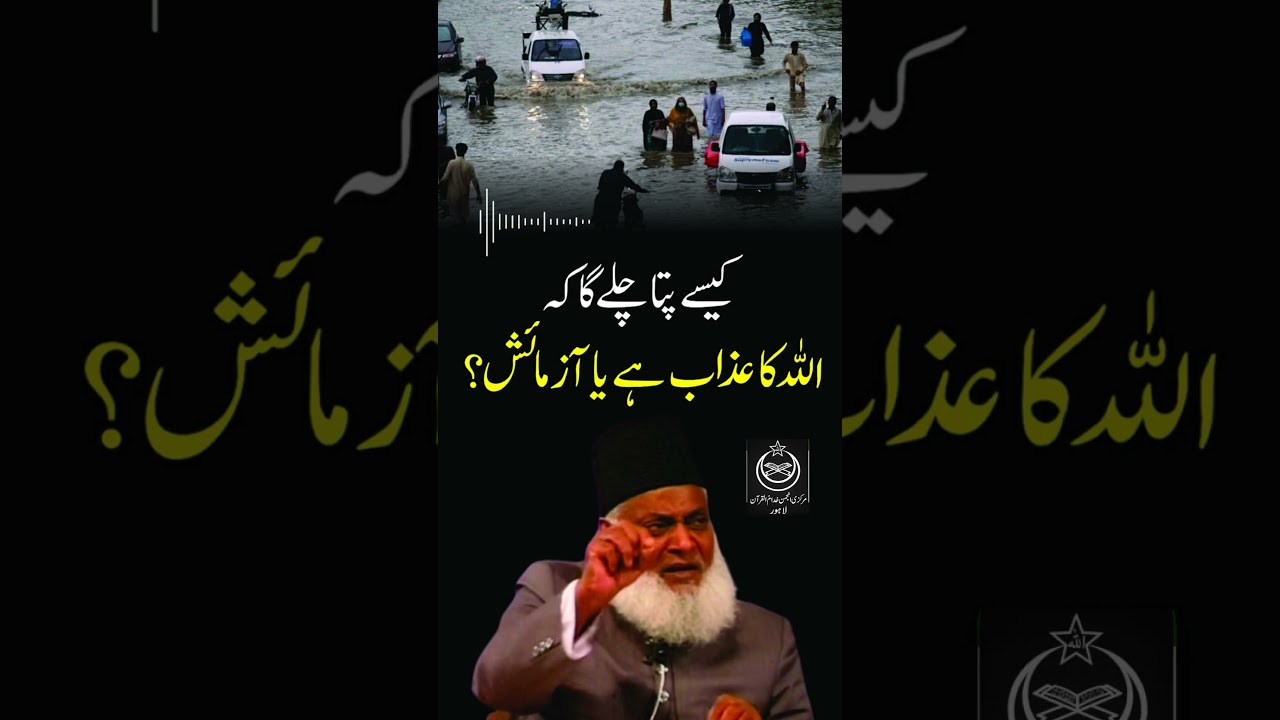
This lecture clarifies the distinction between trials (imtihan) and consequences (sada). It explains that both may appear similar externally, but the heart discerns their origin. Trials befall those striving on the righteous path, serving as tests from God. Consequences, however, stem from one’s actions. The heart will reveal whether a difficulty is a trial designed to elevate one’s status or a consequence requiring atonement. Recognizing this difference is crucial for spiritual growth and understanding divine justice.
62

This lecture explains that divine assistance arrives after a thorough testing of one’s sincerity and purity. The speaker emphasizes that Allah tests individuals completely to confirm their true worthiness before providing help. True assistance manifests only when one’s inner self is proven genuine. The lecture draws a parallel to a gardener nurturing a garden, suggesting that divine intervention, like the arrival of angels, occurs after meticulous preparation and a demonstration of genuine effort. It highlights that Allah observes and tests before bestowing blessings.
97

Goodness is fundamentally linked to faith, not merely action. True goodness originates from an internal state of belief. Every act has both an external manifestation and an internal motivation. The core of a good deed lies in the intention behind it—the desire to please God and attain His blessings. Faith fosters both positive motivation to do good and negative motivation to avoid evil. Love for God and the fear of His punishment drive righteous behavior. Belief in the afterlife—heaven and hell—further strengthens these motivations, prompting individuals to seek reward and avoid condemnation. Thus, faith is the driving force behind genuine goodness and moral conduct.
60
