מִכְנָסַיִים קְצָרִים

This lecture explores the name Al-Adl (The Just) of Allah, as found in Surah Al-Imran. It explains that justice is a fundamental attribute of God, present within the ninety-nine names revealed through the teachings of the Prophet Muhammad, as narrated by Abu Huraira. The discussion clarifies that while many divine names are expressed through different grammatical forms, the core essence of justice remains absolute and foundational. The speaker addresses the limitations of human language when attempting to define divine attributes, acknowledging that terms like ‘embodied’ or ‘form’ are unsuitable for God but necessary due to vocabulary constraints.

52
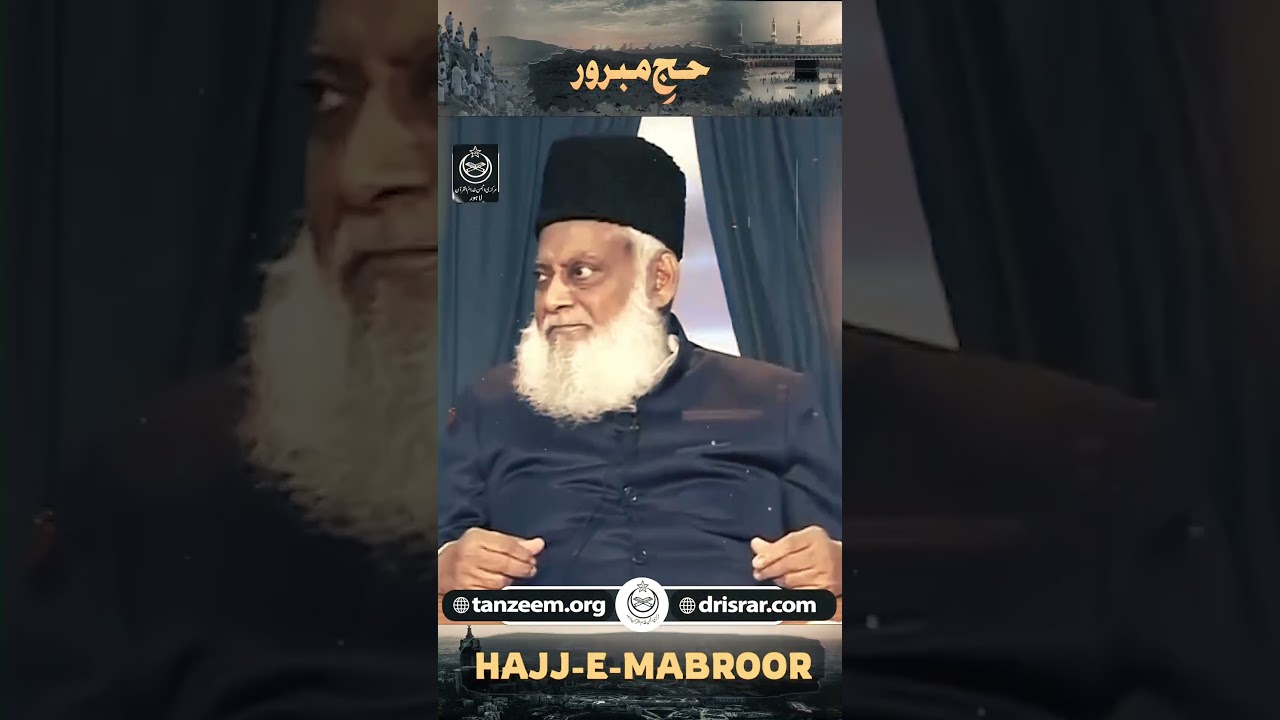
A truly accepted pilgrimage, Hajj-e-Mabroor, is achieved through earnings from lawful sources and meticulous adherence to all its conditions, avoiding disputes and prioritizing the needs of fellow pilgrims. This selfless act fosters piety and guarantees a reward from Allah. Such a pilgrimage cleanses one of past sins, akin to a newborn's purity. It emphasizes the importance of sincerity, lawful income, and selfless service during Hajj to attain divine acceptance and spiritual renewal.
64

Establishing a connection with the Quran fosters mental and intellectual harmony, unifying purpose. A community (Ummah) is defined by a shared objective. Today, the Muslim Ummah exists as a collective striving for a common goal. While the ideal of a unified Muslim Ummah, extending from India to the shores of the Nile, remains a vision, the reality is that a truly cohesive Muslim community does not currently exist. This lecture explores the concept of Ummah, its historical aspirations, and its present fragmented state.
85

This lecture explores the human condition as a test between spiritual enlightenment and worldly allure. The metaphor of a moth drawn to a flame represents the soul’s journey. One path leads to divine favor and eternal reward, while the other, captivated by the transient beauty of the world, results in loss. True success lies in prioritizing spiritual truths and the eternal blessings of the afterlife over fleeting worldly pleasures. The core message is a call to self-reflection and a conscious choice towards divine guidance.
74

This lecture clarifies the dangers of sectarianism and emphasizes the importance of unity within the Muslim community. It explains that forming separate factions based on personal understanding or lineage is detrimental. The Quran clearly identifies Muslims as a unified body, and adhering to this principle is crucial. The speaker stresses that Muslims should unite under the single identity of ‘Muslim’ as ordained by God, rejecting divisions that arise from differing interpretations or the creation of new groups. It condemns the formation of new sects and emphasizes the importance of remaining unified under the banner of Islam.
47

The central theme of the Quran is faith in the unseen, encompassing knowledge of the metaphysical realm beyond sensory perception. This knowledge, revealed through Muhammad, forms the foundation of true understanding. The Quran provides guidance on both spiritual beliefs and practical life, addressing societal, economic, and personal conduct. It delineates permissible and forbidden actions, offering a comprehensive framework for a balanced and righteous life. This lecture clarifies that the Quran’s core message isn't simply a list of do's and don'ts, but a holistic system of belief and practice.
53
