Shorts
The core demand of faith is singular and absolute. Fulfilling this single requirement guarantees salvation, success, guidance, and ultimate happiness. This lecture emphasizes the simplicity and completeness of this divine demand, highlighting its all-encompassing nature and its connection to achieving true fulfillment in life. It underscores that adherence to this single principle unlocks all blessings and leads to a meaningful existence.

97

This lecture discusses the acceptance of repentance (tawbah) in extreme circumstances, such as terminal illness or imminent death. It clarifies that the door of repentance remains open until the final moments of life, but genuine repentance requires sincere, heartfelt emotion, not merely ritualistic recitation. The speaker emphasizes that denying someone the opportunity for repentance is inappropriate, as the Prophet Muhammad (peace be upon him) indicated its availability until death. The discussion also touches on the consequence of entering a state of unconsciousness, suggesting it may preclude the opportunity for repentance.
68

Everything in the heavens and the earth glorifies Allah. While remembrance and praise are fundamental acts of worship, humanity—especially those entrusted with stewardship of the earth—is called to a higher purpose. True faith demands action: striving to establish divine guidance and elevate the word of God. Believers must move beyond mere declaration of faith to actively work towards the triumph of God’s message. This entails dedication and sacrifice in upholding and promoting the principles of Islam.
57

This lecture elucidates the concept of *shirk* (associating partners with God) as stemming from the belief that entities other than Allah possess the power to grant benefit or inflict harm. It explains how seeking fulfillment of needs or protection from adversity from anyone or anything besides Allah constitutes a fundamental act of disbelief. The lecture emphasizes that true reliance and hope should be placed solely in Allah, as attributing power to creation is a grave sin. It highlights the subtle ways *shirk* manifests in daily life and urges listeners to purify their intentions and place their trust entirely in the Divine. The core argument centers on the inherent powerlessness of creation and the absolute sovereignty of Allah.
71
This lecture discusses the profound knowledge of Quranic interpretation possessed by Hazrat Abdullah Ibn Abbas, a prominent companion of the Prophet Muhammad. He received special prayers from the Prophet for understanding of religion and deep comprehension of the Quran. Abdullah Ibn Abbas is considered a leading authority on Tafsir, with a significant number of narrations attributed to him through his students like Mujahid and Ikramah. The term 'Habr', meaning a highly knowledgeable scholar, is explained in relation to his status as 'Habr al-Ummah', the scholar of the Muslim community. The lecture also clarifies the origin of the term 'Habr' and its historical context regarding scholars of other faiths.
116
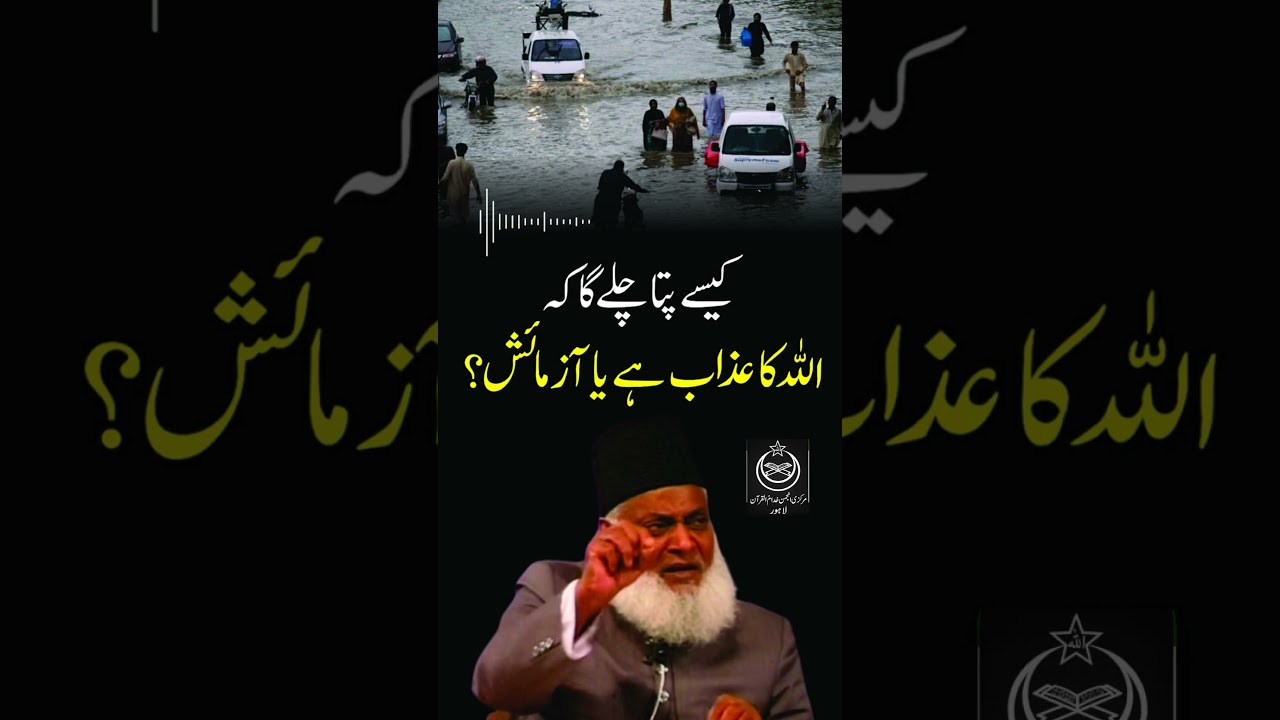
This lecture clarifies the distinction between trials (imtihan) and consequences (sada). It explains that both may appear similar externally, but the heart discerns their origin. Trials befall those striving on the righteous path, serving as tests from God. Consequences, however, stem from one’s actions. The heart will reveal whether a difficulty is a trial designed to elevate one’s status or a consequence requiring atonement. Recognizing this difference is crucial for spiritual growth and understanding divine justice.
62
