Kurze Hose
This lecture explores the conflict between intellect and passionate faith, using the story of Ibrahim and Nimrod as a central analogy. It argues that true devotion requires transcending rational self-preservation. The speaker emphasizes that while intellect provides guidance and direction, moments of profound commitment demand acting beyond logical calculation, fueled by unwavering belief. It highlights the importance of emotional conviction in propagating a message, even at personal risk, and asserts that intellectual analysis alone cannot drive transformative action. The lecture encourages listeners to move beyond purely rational thought when pursuing higher purposes, embracing the power of heartfelt conviction.

77
True faith is deeply rooted conviction in the heart—belief in God, His attributes, His presence and knowledge, life after death, accountability, reward and punishment, Paradise and Hell, angels, divine revelation, scriptures, prophets, messengers, and the finality of the prophethood of Muhammad, peace be upon him. This conviction is the foundation of a meaningful life.
45
This lecture clarifies the significance of Shab-e-Barat based on authentic hadith. It explains that the Prophet Muhammad (peace be upon him) would visit the Baqi graveyard to seek forgiveness for the deceased. The speaker emphasizes that while night-long worship is virtuous, celebrating with fireworks and imitating Diwali practices are not part of Islamic tradition. Fasting on the 15th of Sha'ban is also discussed, linking it to the Prophet’s regular practice of fasting on the 13th, 14th, and 15th of each lunar month. The core message is to focus on sincere worship, seeking forgiveness, and remembering the deceased.
85

This lecture details the fundamental beliefs of Islam, categorized into three main areas: faith in Allah (Tawhid), faith in the Hereafter (Akhirah), and faith in the Day of Judgment and life after death. It explains core tenets like belief in Allah, angels, divine books, prophets, the finality of prophethood, the Quran as the final revelation, life after death, Paradise, Hell, accountability, and divine decree. These beliefs are metaphysical and transcend the realm of sensory experience, forming the foundation of a Muslim’s worldview and guiding principles.
62
People are preoccupied with worldly pursuits and earning a livelihood, dedicating all their time and energy to material gains. They are consumed by the responsibilities of maintaining a certain lifestyle and upholding appearances. This dedication leaves them with no time for spiritual reflection or meaningful pursuits beyond the immediate demands of daily life. They are driven by a constant need to accumulate wealth and are trapped in a cycle of work and consumption, prioritizing worldly achievements over inner peace and fulfillment. Their energies are fully invested in these activities, leaving no space for introspection or devotion.
63
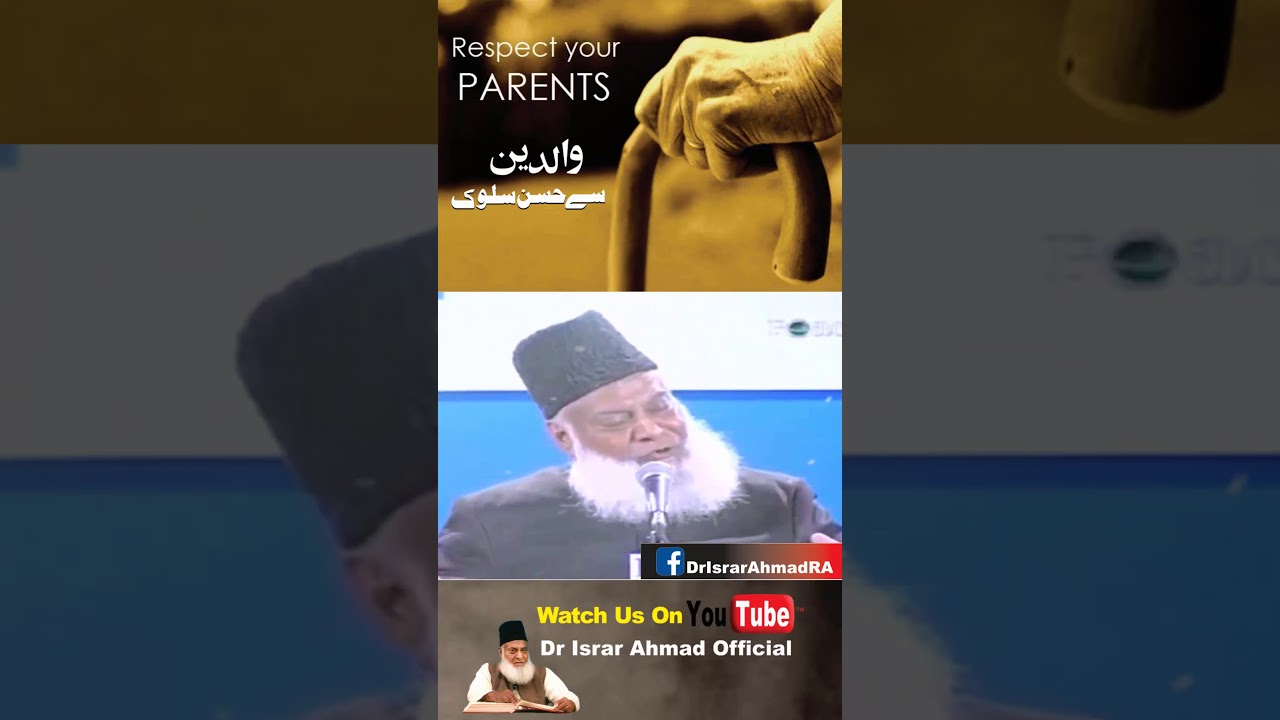
This lecture emphasizes the profound importance of showing respect and kindness to parents, especially in their old age. It stresses avoiding any harsh words or dismissive behavior, urging viewers to speak to them with humility, lowered gaze, and utmost reverence. The core message highlights that sincere prayer for their well-being is paramount. It underscores the spiritual reward of caring for aging parents and the detrimental consequences of disrespect.
200
