מִכְנָסַיִים קְצָרִים

This lecture explores the critical connection between mindful prayer and genuine spiritual transformation. The speaker explains that rote recitation without internal presence renders prayer ineffective. A wandering mind, preoccupied with worldly concerns, prevents the experience of divine connection. True prayer requires focused attention, a conscious awareness of standing before God, and a heartfelt submission. Only when the mind and heart are fully engaged does prayer become a powerful force for character building and positive change. The speaker emphasizes that a distracted mind will fill with anxieties and worldly matters, negating the spiritual benefits of prayer. The essence of prayer lies in experiencing a direct connection with the Divine.

82

The Prophet Muhammad (peace be upon him) is the final messenger of God, sent as a blessing to all of humanity. Unlike previous prophets who were sent to specific nations, his message is universal. He was sent not merely as a source of mercy for one people, but as a source of mercy for the entire world. He was sent as both a bearer of glad tidings and a warner for all humankind. This lecture details this universal aspect of the Prophet's mission, differentiating it from the missions of previous prophets.
69

A recent gathering of Islamic movement leaders in London assessed global regions for the potential revival of Islam and the establishment of an Islamic system. The consensus identified Pakistan as the sole viable country for this purpose, possessing the inherent capabilities, resources, and challenges necessary for this undertaking. The lecture emphasizes Pakistan’s unique position and potential in the context of global Islamic resurgence.
241

Dr. Israr Ahmad discusses the imposition of the Muslim Family Laws Ordinance in 1961 by a military dictator, highlighting the lack of unified opposition from various Islamic sects despite widespread acknowledgement of its flaws. He points out that despite repeated proclamations of Islamic values, subsequent leaders, including Zia-ul-Haq, failed to amend or repeal the ordinance, allowing it to remain law for over a decade. The lecture examines the historical context and the absence of concerted religious resistance to the legislation.
51
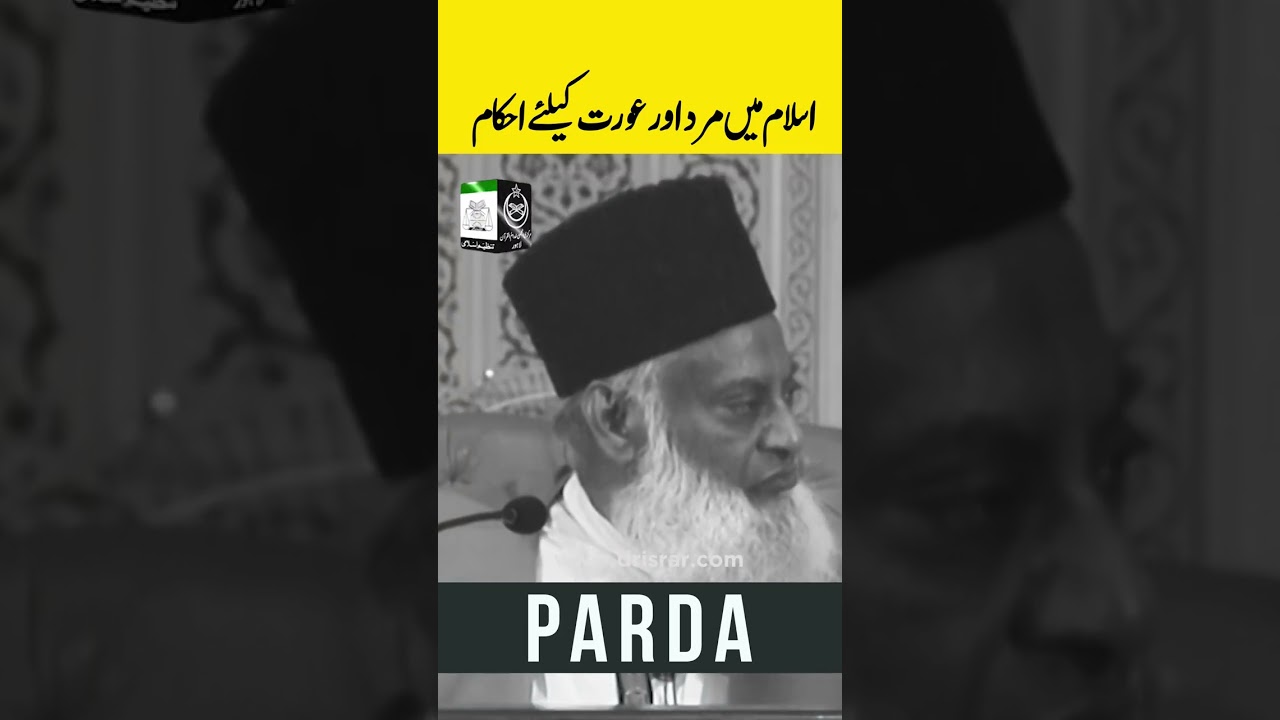
Hadrat Jaber ibn Abdullah states that a believer in God and the Day of Judgement should never be alone with a non-mahram woman. Any meeting should occur in the presence of a mahram (close male relative). This principle applies to both meetings and travel. The Prophet Muhammad (peace be upon him) emphasized that when a man and a non-mahram woman are alone, a third party – Shaytan – is present. Hadrat Ibn Abbas narrates a similar instruction: a man should not be alone with a woman unless a mahram accompanies her, and a woman should not travel without a mahram.
66

True prayer requires a conscious awareness of standing before God. The speaker explains that a spiritually dormant soul hinders genuine connection during prayer. A soul that is suppressed, crushed, or dead cannot facilitate a meaningful dialogue with the Divine. Even if one observes all the rituals of prayer – the five daily prayers, adopting a pious appearance – these acts are ineffective without a revived, communicative spirit. The speaker emphasizes that a connection with the Divine is established through the awakening of the soul and a direct, heartfelt conversation with God.
54
