شارٹس

Salvation is contingent upon a combination of four essential elements: faith, righteous deeds, consistently speaking the truth, and patience. Without fulfilling these conditions, one remains in loss. The lecture emphasizes that true success and deliverance are achieved only through the complete adherence to these principles, as outlined in Surah Al-Asr. It stresses that merely believing isn't enough; action, truthfulness, and steadfastness in the face of adversity are equally crucial for attaining salvation and avoiding ultimate loss.

57
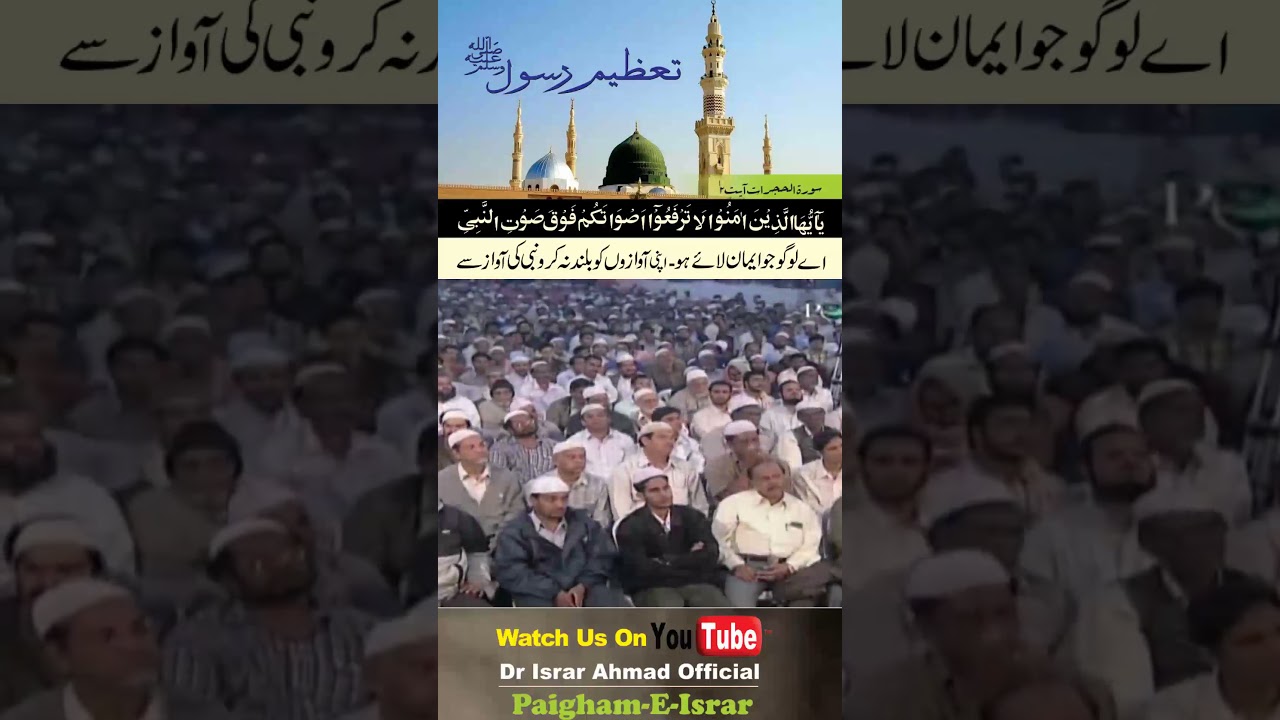
This lecture emphasizes the importance of respectful communication, particularly when discussing religious figures or sacred texts. It cautions against raising one’s voice in the presence of scholarly discussion or when referencing the sayings and actions of the Prophet Muhammad. The speaker stresses immediate silence when a tradition (hadith) is mentioned, prioritizing verification of its authenticity later. Disrespectful discourse is equated with diminishing the value of religious teachings and the Prophet’s legacy, demanding a mindful and humble approach to conversation.
58

This lecture explores the concept of choosing a difficult, less-traveled path in life as opposed to a broad, popular one. It emphasizes that while the narrow path may be challenging, it ultimately leads to spaciousness and fulfillment. The speaker warns against following the majority who often lead to hardship and emphasizes the importance of choosing a path aligned with spiritual growth and lasting peace. It highlights that true progress lies in embracing difficulty and choosing the less-conventional route.
49

This lecture details three elements that lead to salvation and three that lead to destruction. Salvation is achieved through fear of God in both private and public, speaking the truth regardless of anger or pleasure, and fulfilling one’s obligations. Destruction stems from following one's desires, excessive love of wealth, and self-admiration. The most destructive of these is a bloated ego and considering oneself superior.
46
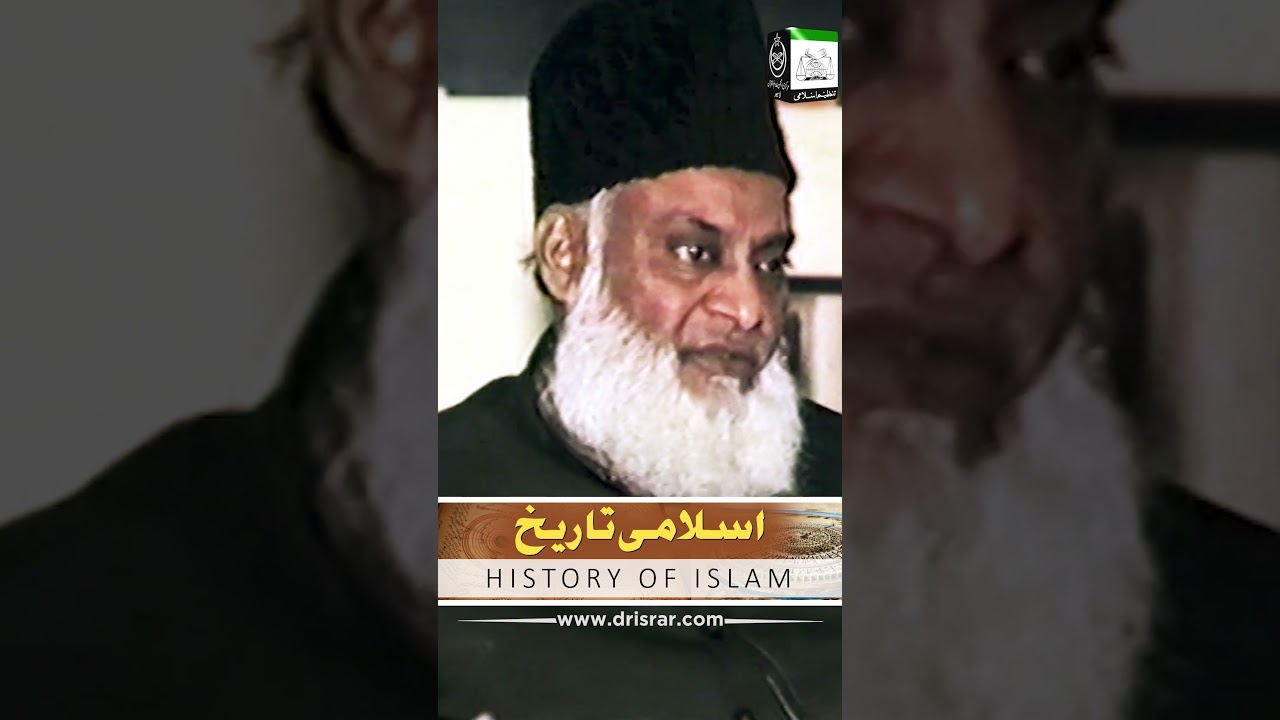
The history of Islam doesn't begin solely with the Prophet Muhammad ﷺ; its origins trace back to Prophet Adam. While the historical details from Adam to Moses are less preserved, the Israelites represent the first nation to emerge on the world stage. According to available knowledge, the Israelites were the first nation, and the final nation is the Ummah of Muhammad ﷺ. This lecture explores the historical lineage of Islam, emphasizing its continuity from the earliest prophets to the final messenger.
53

This lecture explores the astronomical significance of stars and galaxies, specifically addressing their eventual decline and disappearance. It posits that the setting of stars isn't merely a physical event but a profound cosmic process. The passage highlights the vastness of space and the eventual fate of even massive galaxies, suggesting a cyclical pattern of creation and destruction. It emphasizes the immensity of the universe and the eventual disappearance of galaxies, not just stars. This is a deep exploration of cosmic phenomena and their philosophical implications.
70
