السراويل القصيرة
This lecture discusses the extension of the principles of Hajj beyond the physical pilgrimage. It explains how the reverence associated with specific locations in Hajj, and the importance of sacrifice within the Hajj rituals, are mirrored in the universal practice of offering sacrifice. The speaker highlights how participation in sacrifice, even when unable to physically perform Hajj, allows Muslims worldwide to share in a core tenet of the pilgrimage. Similarities between the restrictions observed during Ihram and the spirit of sacrifice are drawn, emphasizing the broader application of Hajj’s principles to the entire Muslim community.

70

All praise and gratitude ultimately belong to Allah, as He is the source of all blessings. Expressing gratitude to others is permissible, but one must remember that the ability to give, and the gifts themselves, originate from Allah. Failing to acknowledge this ultimate source is a form of ingratitude. The Prophet Muhammad (peace be upon him) emphasized that those who do not thank people do not thank Allah. Therefore, gratitude towards others should be coupled with the understanding that all goodness comes from Allah.
30
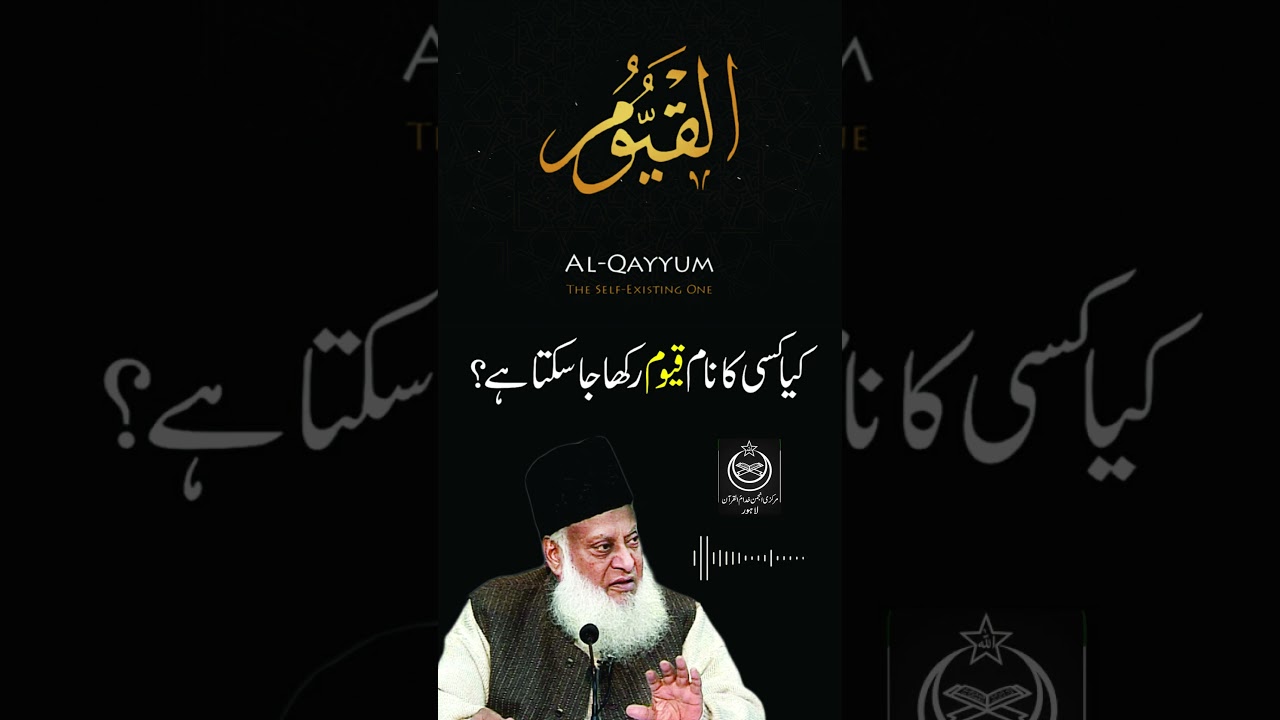
The lecture clarifies the meanings of Al-Hayy (The Ever-Living) and Al-Qayyum (The Sustainer). While 'Hayy' describes life applicable to all beings, 'Al-Hayy' specifically denotes Allah. Similarly, 'Qayyum' signifies one who establishes and maintains, but 'Al-Qayyum' is exclusive to Allah. Attributing 'Al-Qayyum' to anyone else is inappropriate. The discussion explains how using 'Abd Al-Hayy' and 'Abd Al-Qayyum' is acceptable as it acknowledges servitude to the Divine, while simply ‘Hayy’ or ‘Qayyum’ used as a name implies a claim of divine attribute.
59
The lecture discusses the origins of Islam, emphasizing its initial state of being foreign and unfamiliar. It highlights how Allah granted Islam dominance and power, but warns of a potential return to its original state of isolation if individuals distance themselves from its principles. The speaker congratulates those who remain connected to Islam, despite facing potential alienation and lack of support from their surroundings. The message underscores the importance of remaining steadfast in faith to avoid becoming outcasts.
60

This excerpt emphasizes the Quran as both guidance and mercy specifically for those who believe. It reiterates that divine favor and mercy are the ultimate blessings, surpassing worldly possessions. The verses from Surah Yunus (10) highlight that true joy lies in recognizing and accepting these gifts from God. The Quranic message is not merely instruction but a source of compassion and solace for the faithful.
97

This lecture emphasizes the immense reward for exercising patience with difficult relatives. It asserts that enduring their misbehavior with forbearance will yield double the reward. The lecture clarifies that the good deeds earned through patience will be transferred to those who wronged you, while their sins will be deducted from your account on the Day of Judgment. Therefore, one should not abandon fulfilling their familial obligations and should actively resist the urge to cut ties, even in the face of adversity.
55
