Quần short
This lecture emphasizes the importance of reason ('aql) as a pathway to understanding divine guidance. It asserts that belief should be grounded in either rational thought, the teachings of the Quran, or the traditions of the Prophet Muhammad. The speaker stresses that knowledge stems from sensory experience, intellectual reasoning, or reliable transmission. Blind adherence to anything without understanding is discouraged. True knowledge is either acquired through one’s own senses, intellect, or through verified sources.

50

Islam is founded upon five pillars: the declaration of faith (belief in one God and the prophethood of Muhammad), the performance of prayer, the giving of charity (Zakat), fasting during Ramadan, and pilgrimage to Mecca for those who are able. These five pillars constitute the core of Islamic practice and belief, forming the foundation upon which the religion stands.
81
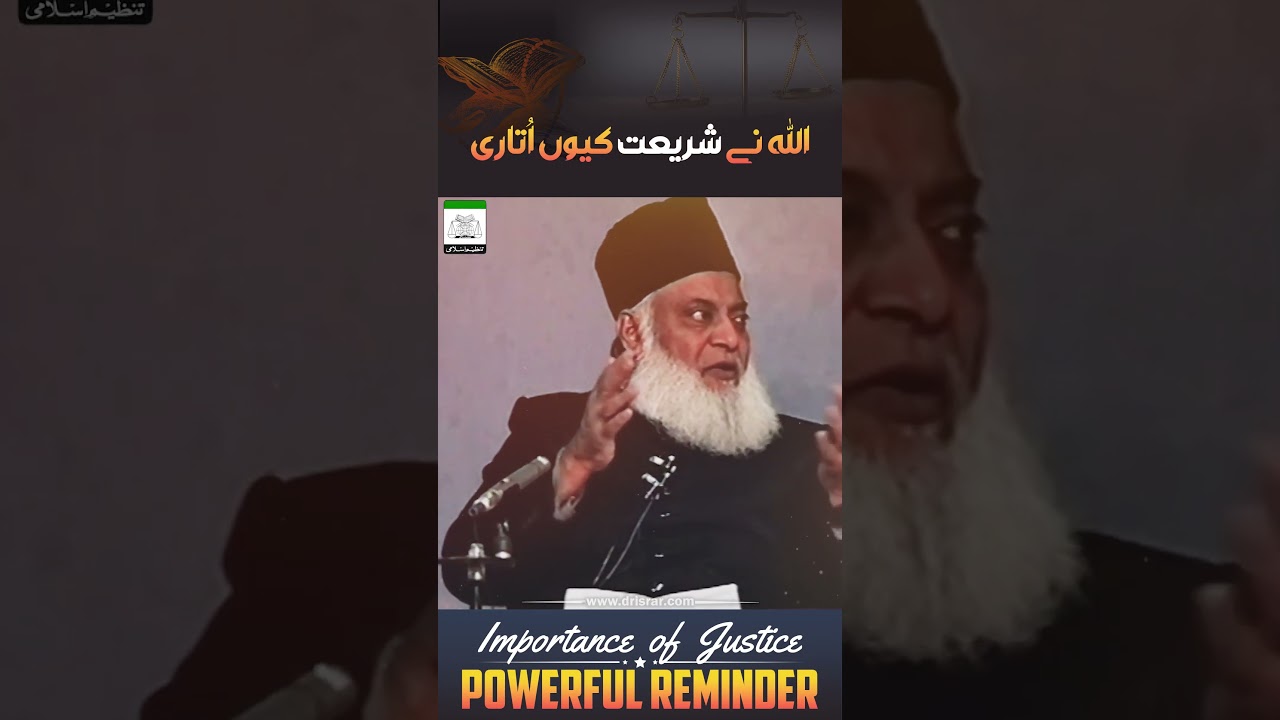
This lecture explores the fundamental importance of justice (Adl) in Islam, referencing Surah Aal-e-Imran and emphasizing the divine mandate for establishing equitable systems. It details how prophets were sent with clear teachings, scriptures, and a balance of rights and responsibilities—defining obligations for all levels of society, from individuals to employers and employees. The discussion highlights the consequences of neglecting justice and the impact of large-scale religious observances like Hajj on societal change. While rituals remain, the underlying spirit of striving for justice must be preserved. God sent messengers and revealed books so people could stand firm on justice.
48

The speaker discusses the erosion of fundamental human morality within the Muslim community of the Indian subcontinent, attributing it to roughly two centuries of colonial rule. This subjugation has diminished the inherent strength of character, leading to a prevalence of insincere promises and a lack of steadfastness. The speaker emphasizes that these core ethical principles are universal, present even among non-Muslims, yet historically lacking in certain tribal groups. A key point is the collective weakness in upholding commitments and demonstrating resilience.
76

The speaker asserts that religious morality built upon a foundation lacking inherent ethical character is inherently weak and ineffective. He illustrates this with the example of a local businessman known as Haji Blackia, a wealthy sugar distributor known for his outward religious observance (leading prayers, having a long beard) but lacking genuine moral principles. The speaker argues that superficial religious practice without inner integrity is meaningless and ultimately futile. True religious morality must be rooted in solid ethical character.
66
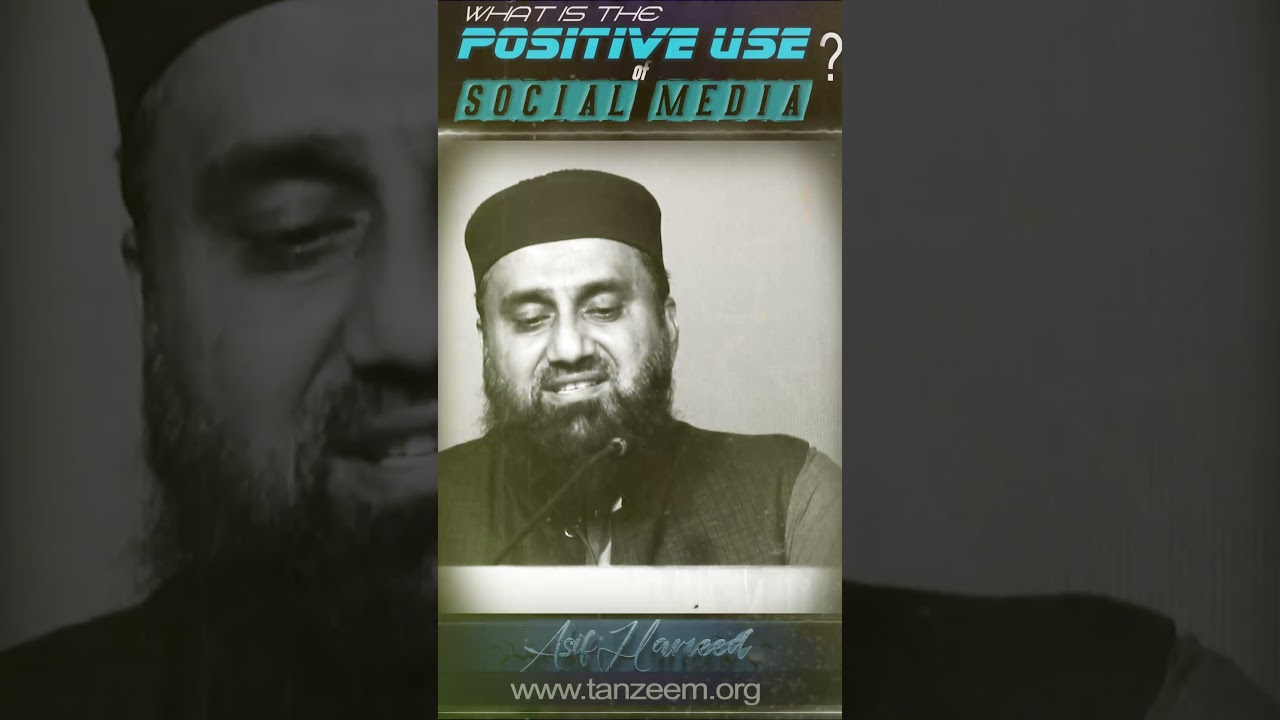
This lecture emphasizes the crucial role of social media in contemporary dawah and the propagation of Islamic thought, building on the legacy of Dr. Israr Ahmad. The speaker highlights the extensive digital archive of Dr. Ahmad’s content, now available across multiple platforms including YouTube (12 channels), Facebook (4 pages), Instagram (6 accounts), TikTok (2 accounts), Pinterest, SoundCloud, WhatsApp (3 channels), Telegram (2 channels), and dedicated websites. Viewers are encouraged to subscribe to these official channels to access authentic materials and actively share the content to broaden its reach. The speaker stresses the ease with which individuals can contribute to this dawah effort through simple actions like sharing content online, framing it as a continuation of the Prophet’s practice of utilizing available communication methods. The goal is to amplify the message of the Quran and strengthen the struggle for its implementation.
76
