Corti
Everything in the heavens and the earth glorifies Allah. While praising Allah is essential – as even inanimate objects and plants do – humanity, granted stewardship of the earth and divine favor, is obligated to do more. True faith demands action: actively striving to establish divine guidance and elevate the word of God. Simply reciting praise is insufficient; believers must demonstrate their commitment through dedicated effort and sacrifice to make God’s will prevail. The core requirement of faith in God is not just glorification, but actively working to establish His dominion and uplift His message.

58
The natural progression of love shifts throughout life. Initially, a child's love is wholly focused on their parents due to dependence. As individuals mature, marry, and have children, the sphere of their affection expands, inevitably diminishing the exclusivity of parental love. Maintaining a strong connection with parents requires conscious effort and is considered a divine command. This lecture explains that prioritizing parental affection isn't automatic; it's a deliberate act of obedience to God’s will and a demonstration of gratitude for their sacrifices. It is a reminder to treat parents with kindness and respect, recognizing that fulfilling this obligation is not merely a natural impulse but a religious duty.
66
Human beings are inherently predisposed to recognizing Allah. The knowledge and love of Allah reside within the soul, obscured by layers of neglect. Individuals fail to delve into the depths of their own hearts to rediscover this innate connection. This lecture explores the inherent human capacity for divine recognition and the importance of introspective spiritual inquiry. It emphasizes that recognizing Allah is not an acquired skill, but a natural inclination veiled by worldly distractions. The core message is a call to self-reflection and a return to the inherent spiritual awareness within each individual.
145
This lecture details a specific, undisclosed hour on Friday when prayers are believed to be particularly effective. Various interpretations exist regarding its timing. Some scholars suggest it's the period between the two khutbas during Jummah prayer. Others believe it spans from immediately after the Jummah prayer until Asr. Consequently, many observant Muslims spend this time in mosques, engaging in remembrance and recitation of the Quran. The precise timing remains intentionally concealed, adding to its spiritual significance.
70
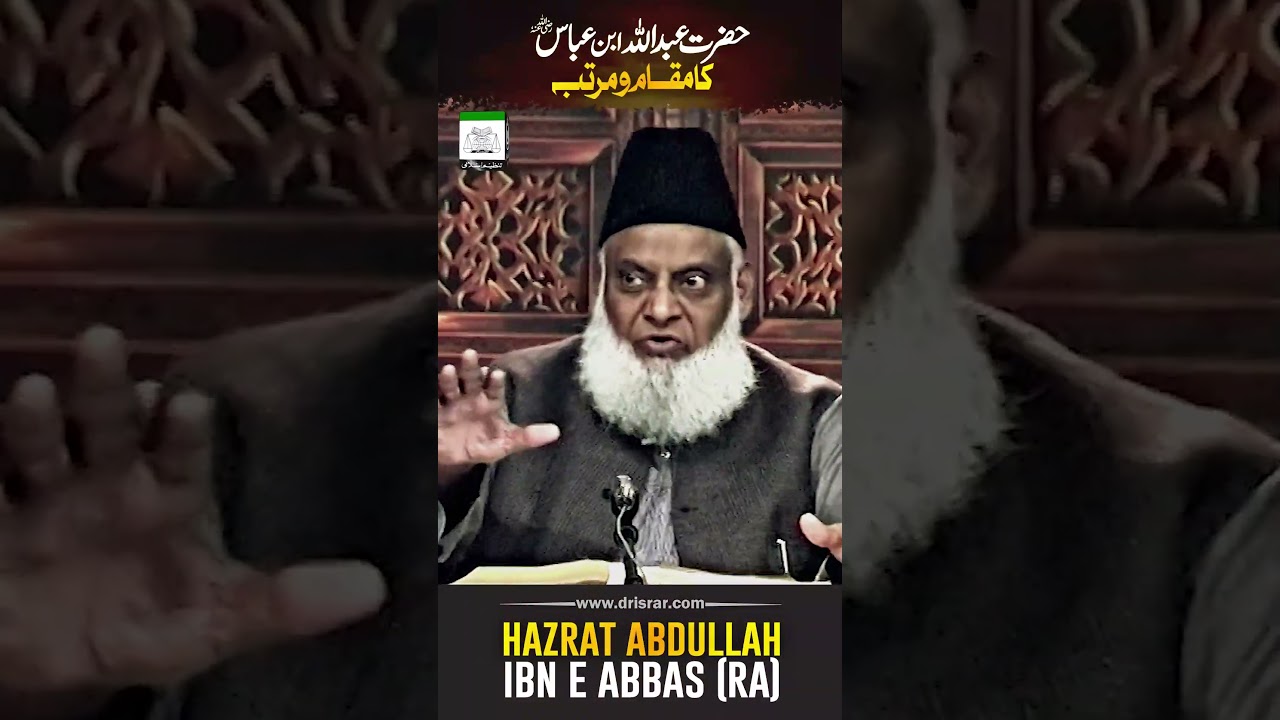
This lecture discusses the profound knowledge of Quranic interpretation possessed by Hazrat Abdullah Ibn Abbas, a prominent companion of the Prophet Muhammad. He received special prayers from the Prophet for understanding of religion and deep comprehension of the Quran. Abdullah Ibn Abbas is considered a leading authority on Tafsir, with a significant number of narrations attributed to him through his students like Mujahid and Ikramah. The term 'Habr', meaning a highly knowledgeable scholar, is explained in relation to his status as 'Habr al-Ummah', the scholar of the Muslim community. The lecture also clarifies the origin of the term 'Habr' and its historical context regarding scholars of other faiths.
116
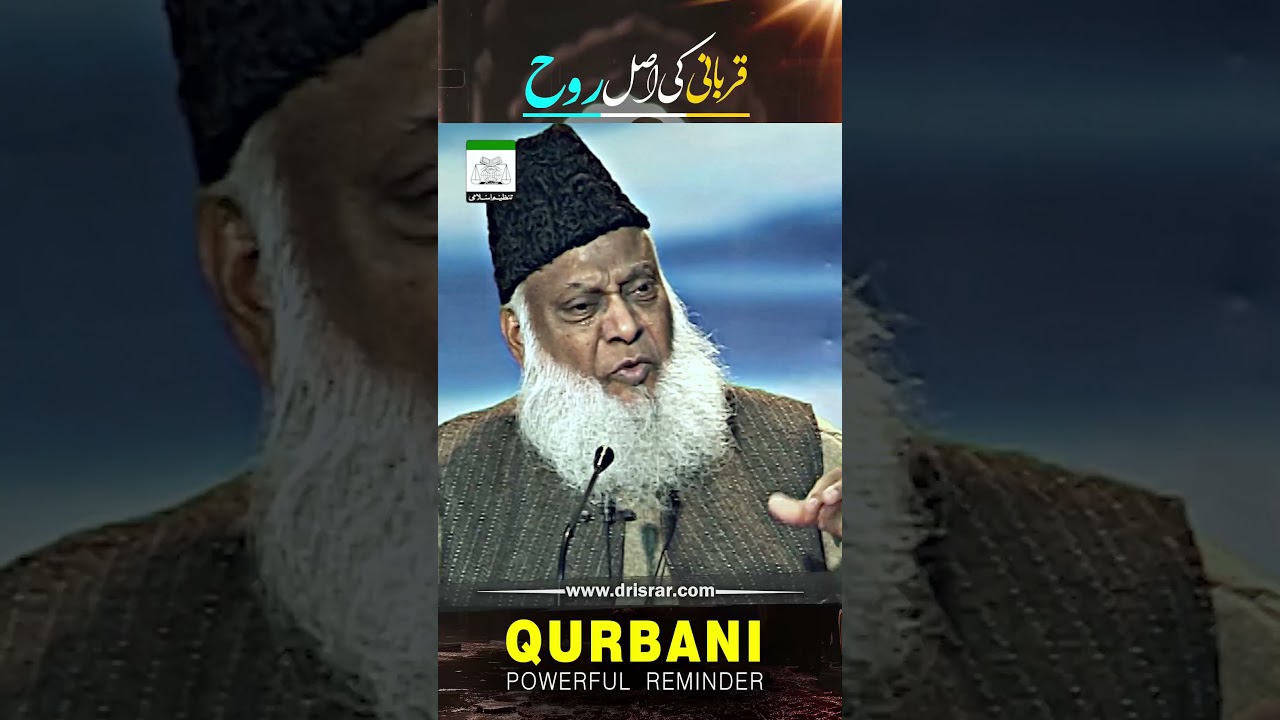
This lecture clarifies the essence of sacrifice, emphasizing that its core is submission to God and fostering piety. Mere ritualistic observance without a genuine connection to the Divine renders the act meaningless. The speaker critiques ostentatious displays of wealth during sacrifice, highlighting that true devotion lies in internalizing the spirit of humility and surrender. Genuine sacrifice necessitates a relationship with God and cultivating inner devotion. It is a demonstration of complete submission and sincerity.
66
