Shorts

Life is a continuous progression towards death, with each heartbeat bringing us closer to our graves. The value of time is paramount, and the heart should be refined and improved with every passing moment. This lecture emphasizes the importance of recognizing life’s fleeting nature and striving for spiritual betterment. It underscores that improving oneself – refining the heart – is the most valuable use of the time we are given, as time itself is constantly moving towards its inevitable conclusion. Each beat of the heart is a reminder of our mortality and an opportunity for self-improvement.

45
Hadrat Jaber ibn Abdullah states that a believer in God and the Day of Judgement should never be alone with a non-mahram woman. Any meeting should occur in the presence of a mahram (close male relative). This principle applies to both meetings and travel. The Prophet Muhammad (peace be upon him) emphasized that when a man and a non-mahram woman are alone, a third party – Shaytan – is present. Hadrat Ibn Abbas narrates a similar instruction: a man should not be alone with a woman unless a mahram accompanies her, and a woman should not travel without a mahram.
62
Hazrat Ali (RA) narrates that the Prophet Muhammad (peace be upon him) foretold of a great tribulation (fitna). When asked about the means of salvation, the Prophet (peace be upon him) stated that the Quran is the source of guidance. It contains accounts of those who came before and those who will come after, and holds the solutions to all disputes and differences.
60
This lecture explores the historical context of the Prophet Muhammad’s era, emphasizing that the triumph of Islam was not merely a historical event but a continuing process. It highlights the sacrifices made by those who strove to establish the principles of Islam, contrasting their success with the misfortune of those who remained indifferent. The speaker asserts that the fulfillment of the Prophet's mission will continue, even if not by the current generation, as it is a divine decree. The lecture stresses the importance of dedicating oneself to this purpose, recognizing it as the path to true success in this life and the hereafter.
93
This lecture clarifies the minimum requirements for salvation according to Islamic teachings. It emphasizes that faith combined with righteous deeds is essential, not merely faith alone. While varying degrees of reward exist, a baseline of belief and good actions is non-negotiable for securing salvation. The speaker addresses the misconception that abundant good deeds can automatically compensate for a preponderance of sins, highlighting that consistent faith and good works are the fundamental criteria for attaining divine forgiveness and entering Paradise. It explains that while higher ranks in Paradise may require greater effort, basic salvation is predicated on fulfilling these essential requirements.
44
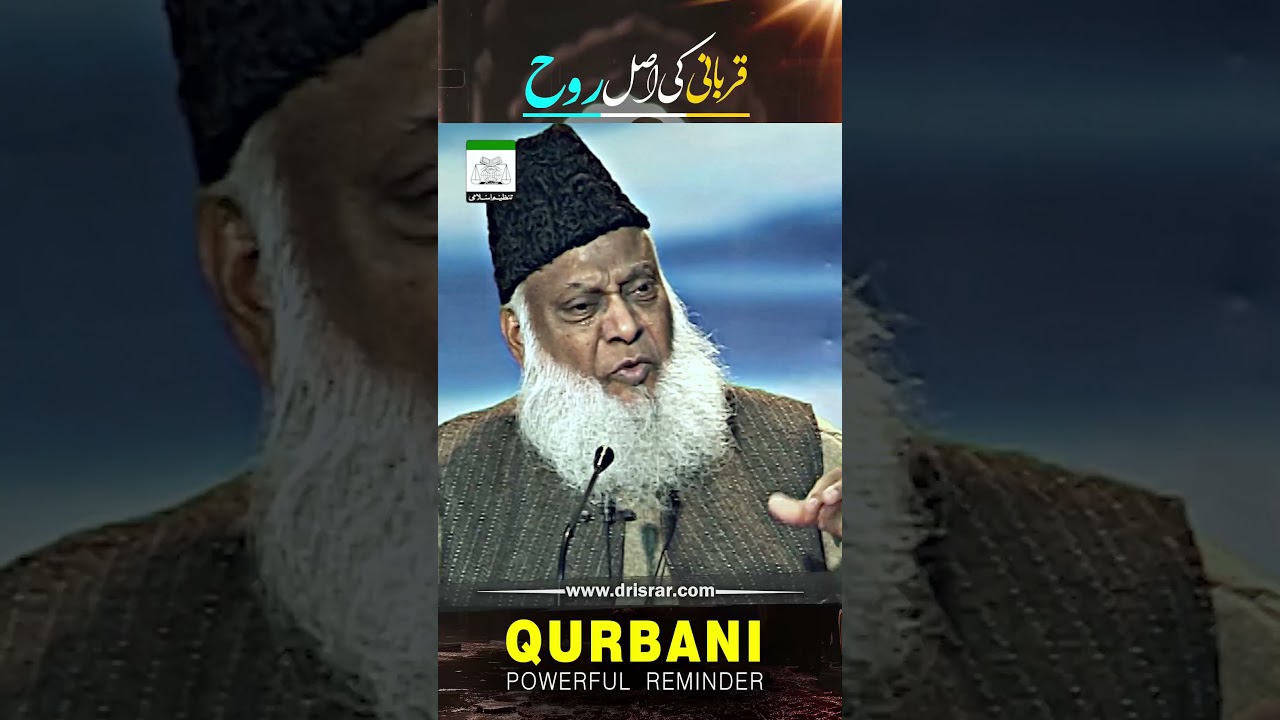
This lecture clarifies the essence of sacrifice, emphasizing that its core is submission to God and fostering piety. Mere ritualistic observance without a genuine connection to the Divine renders the act meaningless. The speaker critiques ostentatious displays of wealth during sacrifice, highlighting that true devotion lies in internalizing the spirit of humility and surrender. Genuine sacrifice necessitates a relationship with God and cultivating inner devotion. It is a demonstration of complete submission and sincerity.
53
