Calção
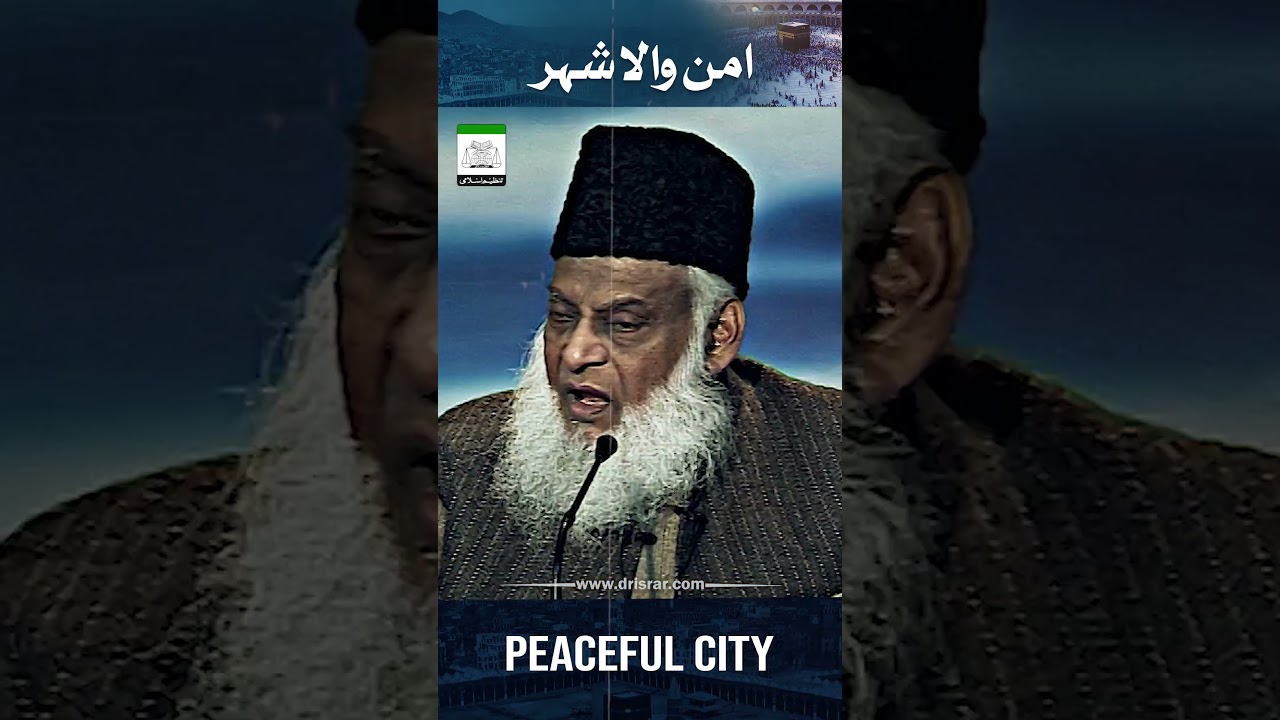
This lecture discusses the unique sanctity of Mecca, highlighting its historical role as a place of peace amidst a turbulent Arab society. Despite centuries of tribal conflict, feuds, and cycles of revenge killings, Mecca’s sacred precinct remained a sanctuary. Even those seeking retribution for deeply personal grievances—like the murder of a father—would refrain from violence within its boundaries. This demonstrates Allah’s provision of security and peace to the city, earning it the title 'City of Peace.' This inherent protection continues to be a defining characteristic of Mecca today.

34

This lecture details three effective methods for conveying the message of faith: wisdom-based argumentation, positive and appealing counsel, and respectful debate. It emphasizes approaching dialogue with intellect, kindness, and a focus on constructive engagement rather than conflict. The core principle is to guide others towards the right path through reasoned discussion and gentle persuasion, avoiding harshness or coercion. It’s a blueprint for effective *dawah* rooted in intellectual honesty and compassionate communication.
78

This lecture discusses the immense joy Allah experiences upon accepting a believer's repentance. It highlights that even the drops of sweat born from anxiety and remorse during sincere regret are valued by God. The acceptance of repentance is depicted as a profound blessing, demonstrating Allah’s compassion and willingness to forgive those who turn to Him with genuine sincerity. The lecture emphasizes that Allah cherishes a servant's repentance, viewing it as a precious offering.
51
This lecture explores a specific supplication frequently recited by the Prophet Muhammad (peace be upon him) during his Tahajjud prayers. The core message centers on affirming the truth of Muhammad, the Quran, and Prophethood itself. The speaker emphasizes that repeatedly internalizing these truths is essential for strengthening one’s faith. Genuine belief isn't merely intellectual assent but a deeply ingrained conviction within the heart, forming the very foundation of true faith. The lecture stresses that this consistent affirmation cultivates a robust and unwavering certainty.
77

Dr. Israr Ahmad explains the true meaning of poverty (miskin) in Islam. It isn’t merely a lack of wealth, but rather the failure to fulfill obligations to others. A person may perform many acts of worship – prayers, fasting, pilgrimage – yet be considered bankrupt on the Day of Judgment if they have wronged people by depriving them of their rightful inheritance, slandering them, or otherwise violating their rights. Their good deeds will be distributed to those they harmed, leaving them with nothing but the weight of their sins and ultimately destined for Hell. This lecture clarifies that true poverty lies in spiritual bankruptcy, not material lack.
68
This lecture emphasizes the importance of reason ('aql) as a pathway to understanding divine guidance. It asserts that belief should be grounded in either rational thought, the teachings of the Quran, or the traditions of the Prophet Muhammad. The speaker stresses that knowledge stems from sensory experience, intellectual reasoning, or reliable transmission. Blind adherence to anything without understanding is discouraged. True knowledge is either acquired through one’s own senses, intellect, or through verified sources.
40
