Shorts
This lecture explores the crucial balance between intellect and emotion. It argues that while reason illuminates the path – defining goals and direction – it is passion that provides the impetus for action. The speaker uses the historical example of the *iqal* – a rope used by Arab Bedouins to tether their camels – to illustrate how limiting oneself to reason alone can stifle progress. The *iqal*, initially used to restrain the camel, became a symbol of freedom when moved to the owner’s head, signifying a readiness to embark on a journey. The lecture emphasizes that true progress requires both rational understanding and emotional drive, cautioning against being overly bound by practical considerations and societal expectations.

86
The Prophet Muhammad (peace be upon him) clarified that true bankruptcy isn't financial poverty, but a deficiency in fulfilling rights owed to others. A person may perform numerous prayers, fasts, and pilgrimages, yet be considered bankrupt if they have wronged others through theft, slander, or abuse. On the Day of Judgment, the wronged will claim compensation from the wrongdoer's good deeds. If those deeds are exhausted, the wrongdoer will bear the burden of the wronged’s sins, ultimately facing punishment in Hell. This highlights the importance of justice and accountability.
40
The lecture defines migration (Hajrat) not merely as physical relocation, but as abandoning anything displeasing to God. It outlines three levels: renouncing interest-based transactions, establishing modesty and privacy within the home, and ultimately, sacrificing all worldly possessions – even family – to uphold and defend the faith when facing persecution and conflict. This final level represents the highest form of migration, undertaken when actively striving to establish God’s law.
65
This lecture details the signs and characteristics of the Dajjal, a figure in Islamic eschatology. It describes his immense power, including the ability to resurrect the dead, manipulate perceptions, control weather, and traverse vast distances instantaneously. The Dajjal will claim divinity and perform miracles, attracting followers through illusions and false promises. He will possess complete dominion over the universe and demonstrate his power by splitting a person in two and then restoring them. This bayān explains these prophecies as detailed in hadith.
73
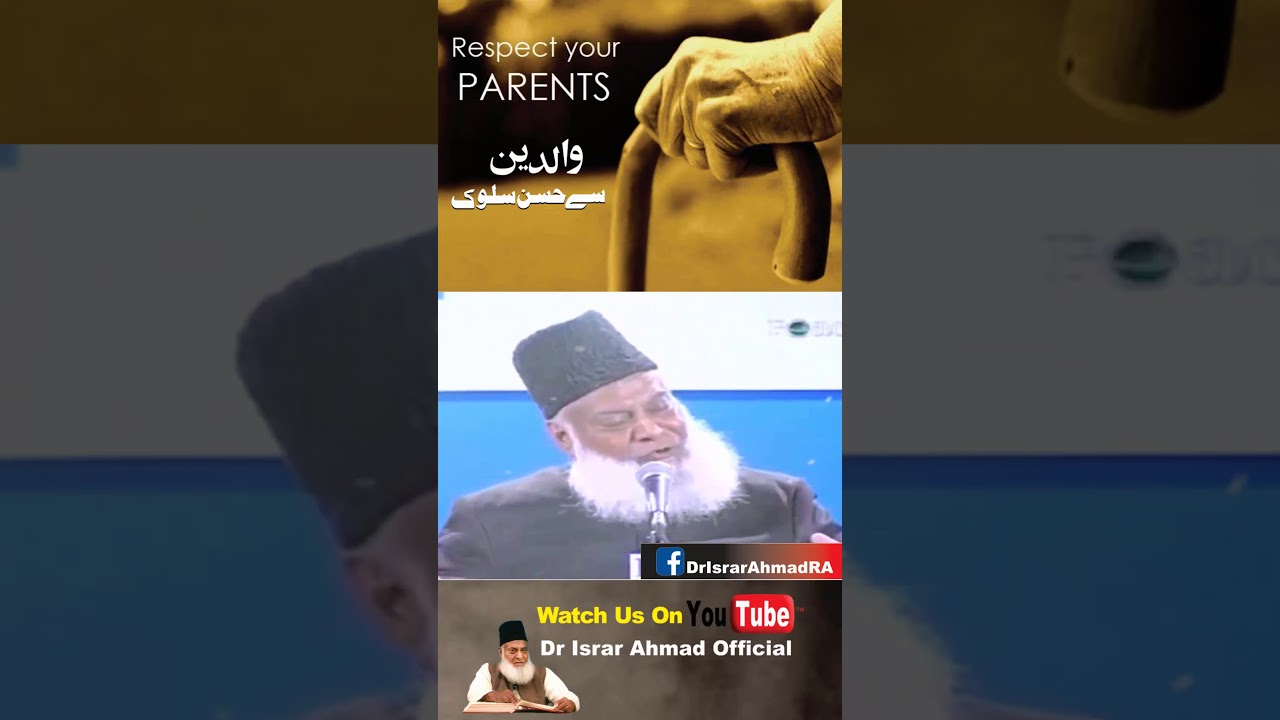
This lecture emphasizes the profound importance of showing respect and kindness to parents, especially in their old age. It stresses avoiding any harsh words or dismissive behavior, urging viewers to speak to them with humility, lowered gaze, and utmost reverence. The core message highlights that sincere prayer for their well-being is paramount. It underscores the spiritual reward of caring for aging parents and the detrimental consequences of disrespect.
200
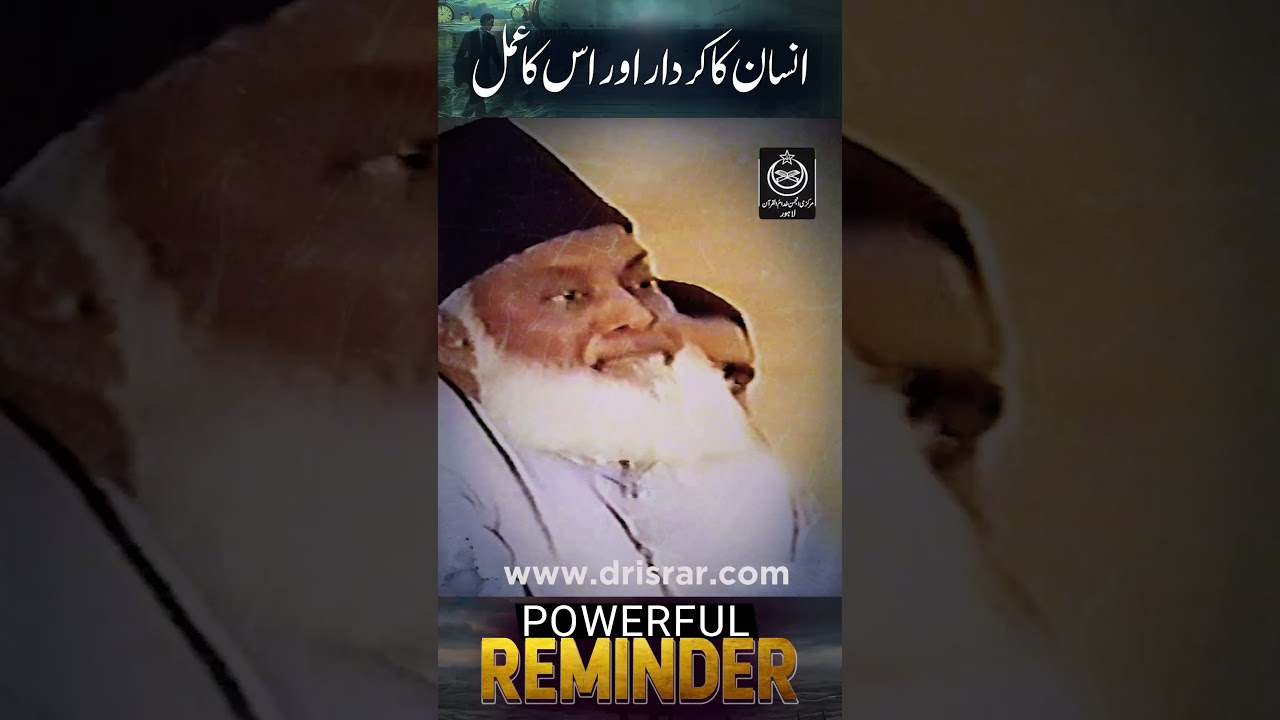
Human thought profoundly influences behavior, character, and deeds. Conversely, a person’s actions and character significantly shape their thinking. If knowledge and intellectual growth are not accompanied by corresponding action, a decline in character and thought can occur. A disconnect between intellectual understanding and practical application leads to stagnation and potentially a regression in personal development. Actions and character have a direct impact on one’s intellectual and spiritual progress.
68
