Pantalones cortos

This lecture details the practice of additional *takbirat* (declarations of greatness of God) during Eid al-Fitr prayers. The Hanafi school of thought prescribes six additional *takbirat*, while the Ahl-e-Hadith tradition follows twelve. The speaker emphasizes performing these *takbirat* while traveling to and from the Eid prayer, ideally using different routes to amplify the proclamation throughout the community. The core message urges believers to actively uphold and propagate their faith through striving, dedication, and even sacrifice, as a demonstration of gratitude for divine guidance. It stresses that upholding and establishing the true faith requires sincere effort and dedication, and that gratitude for Allah's guidance should manifest in a commitment to living a righteous life.

72

This lecture explores the difference between superficial observation and true understanding. It asserts that animals perceive the external world, but humans possess the capacity to grasp the underlying reality of things. The speaker emphasizes that genuine vision comes from the heart, not merely the eyes, and seeks a deeper comprehension of existence, as exemplified in the prophetic supplication to see things as they truly are. True insight requires moving beyond appearances to grasp the essence of reality. The lecture highlights the importance of inner vision and spiritual understanding.
54

This lecture discusses the concept of divine provision (rizq) and acceptance of God’s will. It explains that while individuals should strive to fulfill their obligations and help others, ultimate control over changing circumstances rests with God. The speaker emphasizes that one should do their best within their capacity, and accept that outcomes are ultimately in God's hands. The lecture highlights the importance of fulfilling one's duty with moderation and accepting God’s decree.
64
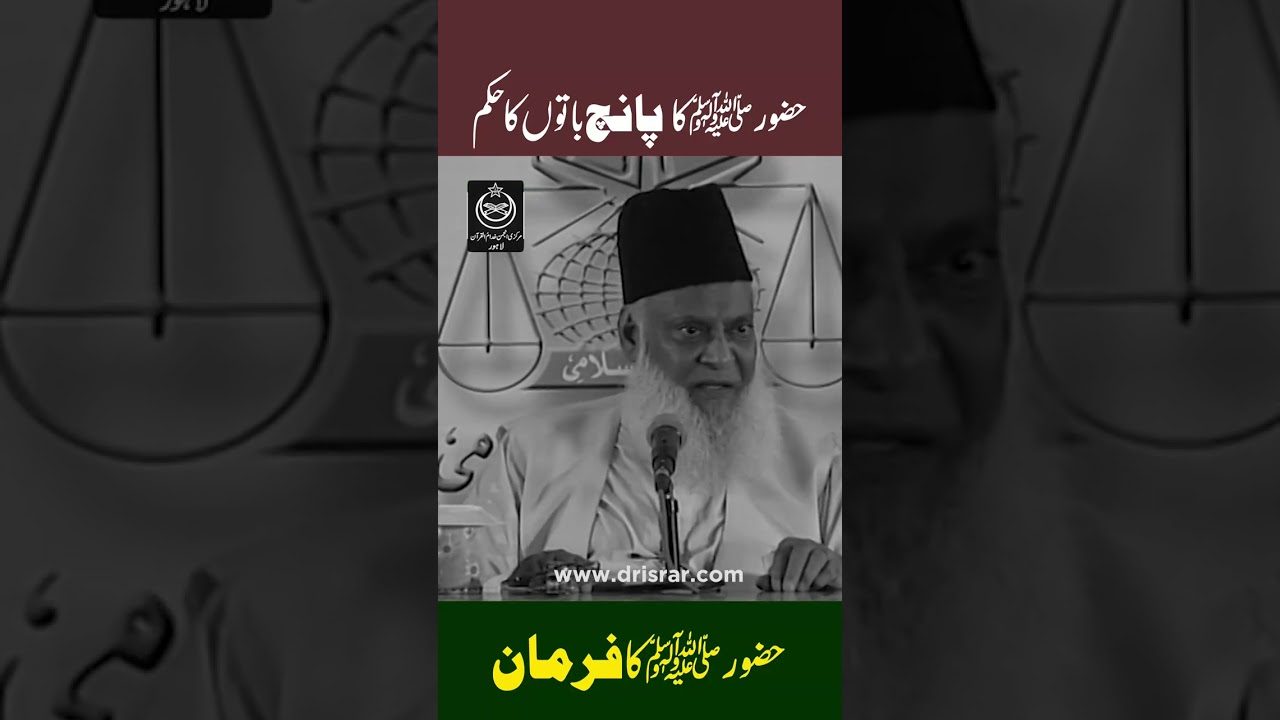
Hares Ahshari reports that the Messenger of Allah commanded Muslims to adhere to five principles: maintaining unity and cohesion within the community, obedience to leadership, migration for the sake of faith, and striving in the path of God. This directive, relayed by the Prophet, is not of his own volition but a direct command from God. These principles are essential for the strength and progress of the Muslim community, ensuring collective action and spiritual advancement. The report emphasizes that these are divine instructions, communicated through the Prophet, and should be followed diligently.
60
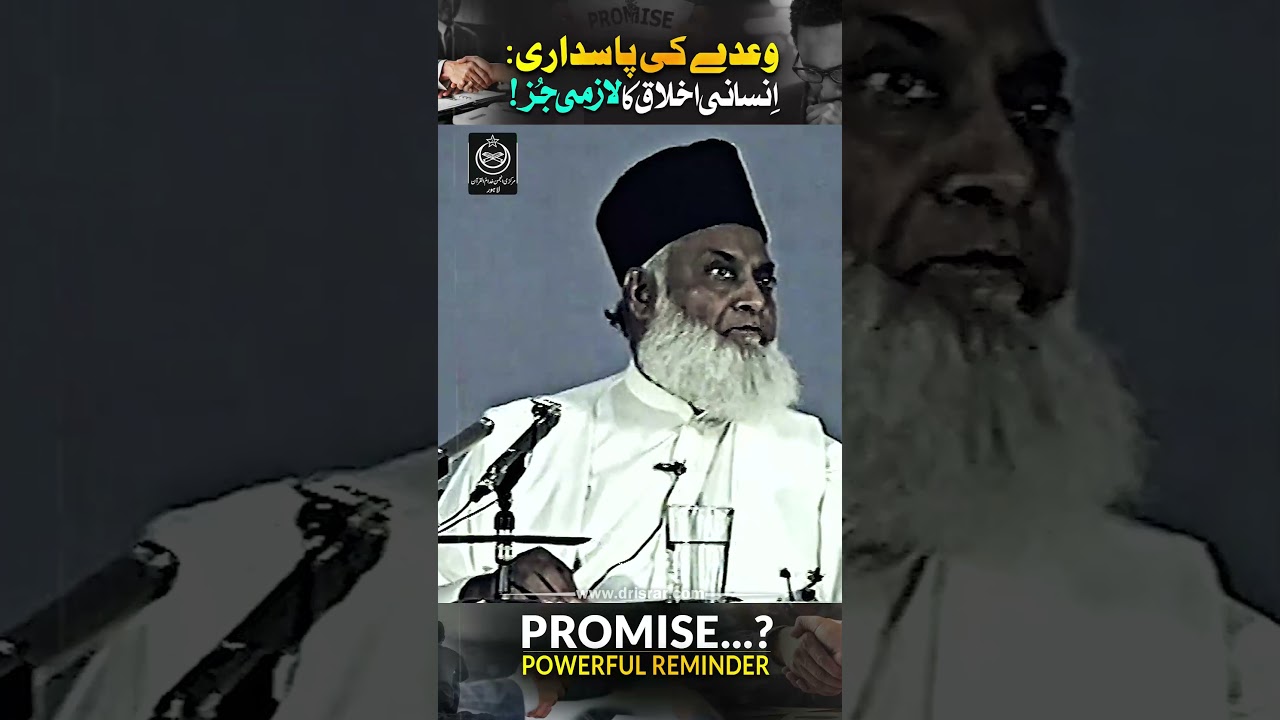
The speaker discusses a decline in ethical standards within society, moving beyond mere indecency to a fundamental erosion of basic human morals. This manifests as a lack of integrity – saying things one doesn’t mean and failing to uphold promises. Historically, even non-believers maintained a directness lacking in current society; they were either openly hostile or adhered to their word. The speaker draws a parallel to the historical figures of Medina and Mecca, noting the presence of hypocrisy and deceitful behavior in Medina, while Mecca generally upheld a more straightforward code of conduct. The speaker asserts a general decline in societal capacity for integrity and principled action.
60
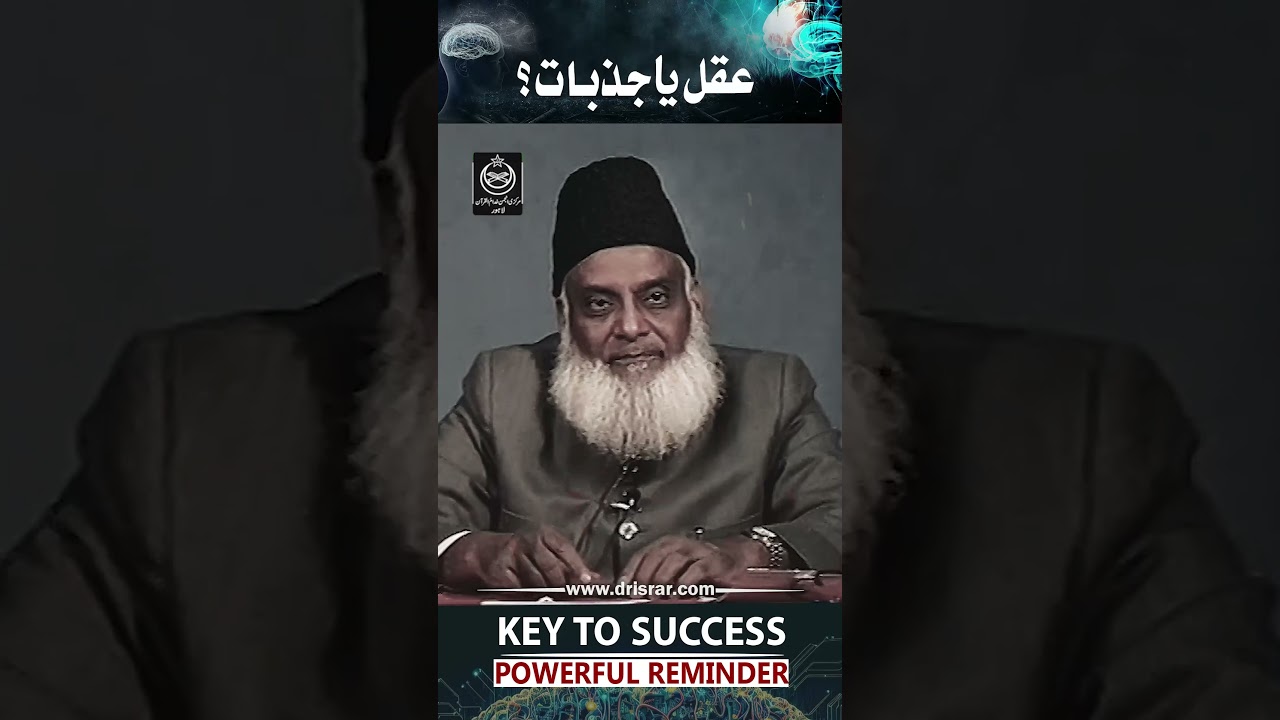
This lecture explores the conflict between intellect and passionate faith, using the story of Ibrahim and Nimrod as a central analogy. It argues that true devotion requires transcending rational self-preservation. The speaker emphasizes that while intellect provides guidance and direction, moments of profound commitment demand acting beyond logical calculation, fueled by unwavering belief. It highlights the importance of emotional conviction in propagating a message, even at personal risk, and asserts that intellectual analysis alone cannot drive transformative action. The lecture encourages listeners to move beyond purely rational thought when pursuing higher purposes, embracing the power of heartfelt conviction.
76
